What to Buy in Tokyo
Tokyo souvenirs: best gifts, local products, crafts, and what to buy from tokyo.
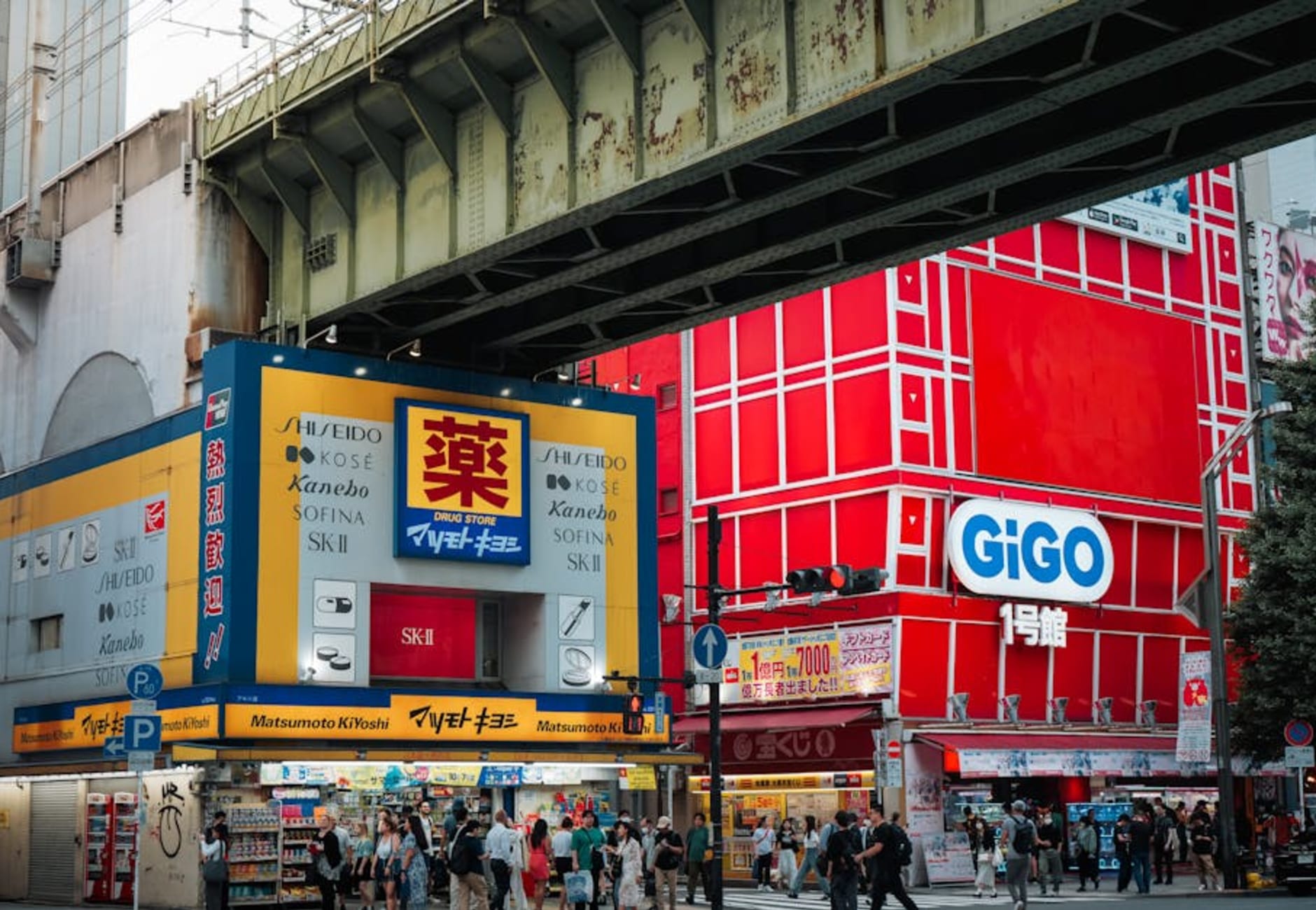
What to Buy in Tokyo: A Comprehensive Guide to Unique Souvenirs
Tokyo is a treasure trove of unique items that reflect the city’s rich history, vibrant culture, and modern creativity. Whether you are looking for traditional crafts, culinary delights, or contemporary art, this guide will help you navigate the best souvenirs to bring home. Below is a curated list of 15-20 items, complete with buying tips, price ranges, and advice on shipping and customs.
Traditional Crafts
1. Kokeshi Dolls
What It Is: Handcrafted wooden dolls originating from northern Japan, characterized by their simple, limbless bodies and elaborate painted faces.
Why It’s Special: Each doll represents a different region, often with unique designs and symbols.
Where to Buy: Check out Kappabashi Street near Asakusa for a variety of shops.
Price Range: $15 - $100, depending on size and craftsmanship.
Quality Tips: Look for intricate painting and smooth wood finish.
Authenticity: Purchase from reputable shops that provide information about the doll’s origin.
2. Noren
What It Is: Traditional fabric dividers hung in doorways, often featuring beautiful designs.
Why It’s Special: Noren serve both practical and decorative purposes, showcasing Japanese aesthetics.
Where to Buy: Specialty textile shops in Harajuku or Asakusa.
Price Range: $30 - $80.
Quality Tips: Choose cotton for durability and vibrant colors.
Authenticity: Ensure the shop offers information on the fabric’s origin.
Local Food Items
3. Matcha (Green Tea)
What It Is: Finely ground powder of specially grown green tea leaves.
Why It’s Special: Integral to Japanese tea ceremonies, matcha offers a rich flavor and health benefits.
Where to Buy: Specialty tea shops in Uji or department stores like Isetan.
Price Range: $20 - $60 for premium grades.
Quality Tips: Look for bright green color and fine texture.
Authenticity: Purchase from shops that provide the tea’s origin details.
4. Wagashi (Traditional Sweets)
What It Is: Beautifully crafted Japanese sweets made from rice flour, beans, and sugar.
Why It’s Special: Often enjoyed during tea ceremonies, they come in various shapes and flavors.
Where to Buy: Stores like Toraya or local confectioneries in Asakusa.
Price Range: $5 - $30.
Quality Tips: Check for freshness; they are best consumed within a few days.
Authenticity: Choose shops with a long history or high reputation.
5. Shoyu (Soy Sauce)
What It Is: A staple in Japanese cuisine, soy sauce is a fermented condiment that adds umami flavor.
Why It’s Special: Tokyo offers artisanal varieties that are unique in taste.
Where to Buy: Tsukiji Outer Market or specialty food stores.
Price Range: $10 - $40 for premium brands.
Quality Tips: Opt for those brewed traditionally without additives.
Authenticity: Look for bottles labeled with the brewing method.
Textiles
6. Furoshiki
What It Is: A traditional Japanese wrapping cloth used to transport goods or gifts.
Why It’s Special: Furoshiki embodies the philosophy of sustainability and creativity.
Where to Buy: Shops in the Nihonbashi area or department stores.
Price Range: $20 - $60.
Quality Tips: Choose cotton or silk for higher durability.
Authenticity: Look for brands that highlight traditional dyeing techniques.
7. Tenugui
What It Is: A thin Japanese hand towel made of cotton, often decorated with intricate designs.
Why It’s Special: Versatile for various uses, from decoration to wrapping gifts.
Where to Buy: Craft stores in Yanaka or specialty shops in Asakusa.
Price Range: $5 - $30.
Quality Tips: Choose 100% cotton for softness and absorbency.
Authenticity: Look for traditional patterns that reflect local culture.
Jewelry and Accessories
8. Mizuhiki
What It Is: Decorative cords made from washi paper, used in gift wrapping and as jewelry.
Why It’s Special: Symbolizes good fortune and is often used in celebratory events.
Where to Buy: Craft shops in Ginza or online on Japanese craft websites.
Price Range: $10 - $50.
Quality Tips: Choose vibrant colors and intricate designs.
Authenticity: Purchase from artisans or shops promoting traditional craftsmanship.
9. Aizome (Indigo Dye) Products
What It Is: Textiles dyed using traditional indigo dyeing techniques, known for its deep blue color.
Why It’s Special: The dyeing process is labor-intensive and results in stunning, unique patterns.
Where to Buy: Specialty shops in the Yanaka district.
Price Range: $30 - $200.
Quality Tips: Look for pieces that have a rich, deep color and are soft to the touch.
Authenticity: Verify the dyeing process and origin.
Artwork and Décor
10. Ukiyo-e Prints
What It Is: Traditional woodblock prints depicting landscapes, kabuki actors, and scenes from history.
Why It’s Special: These prints are a significant part of Japan’s artistic heritage.
Where to Buy: Art galleries in Ueno or shops near the Tokyo National Museum.
Price Range: $50 - $500 depending on age and artist.
Quality Tips: Look for sharp details and vibrant colors.
Authenticity: Seek out certified dealers or galleries with a reputable history.
11. Ceramics (Imari or Kutani)
What It Is: Beautifully crafted pottery known for its intricate designs and colors.
Why It’s Special: Each piece is unique and often reflects regional styles.
Where to Buy: Shops in Yanaka or specialized ceramic stores in Kappabashi.
Price Range: $30 - $300.
Quality Tips: Check for even glazing and fine details.
Authenticity: Look for makers’ marks and provenance history.
Specialty Products
12. Tokyo Banana
What It Is: A popular sponge cake filled with banana-flavored custard.
Why It’s Special: It’s a beloved local treat and makes for a great gift.
Where to Buy: Airports, convenience stores, and specialty shops in Tokyo Station.
Price Range: $10 - $30 for a box.
Quality Tips: Choose the original flavor for authenticity.
Authenticity: Verify packaging and purchase from official retailers.
13. Yatsuhashi (Cinnamon Rice Snacks)
What It Is: A sweet snack from Kyoto made with glutinous rice flour and cinnamon.
Why It’s Special: It has a unique texture and flavor that captures the essence of Japan.
Where to Buy: Snack shops in Harajuku or department stores.
Price Range: $5 - $20.
Quality Tips: Look for fresh varieties, usually found in sealed packaging.
Authenticity: Purchase from well-known brands with quality controls.