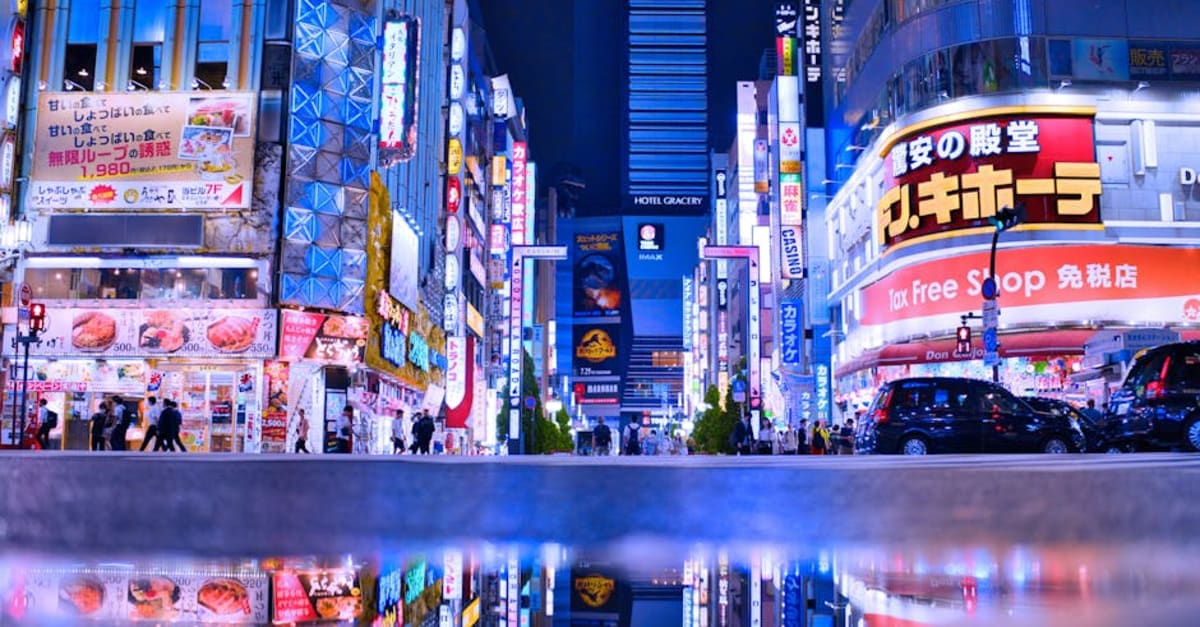
Best Shopping Malls in Tokyo
Shopping malls in tokyo: modern malls, stores, brands, food courts, and entertainment.

Shopping in Tokyo: A Comprehensive Guide to Major Malls and Shopping Centers
Tokyo is a shopping paradise that caters to every taste and budget. From luxury brands to quirky local shops, the city boasts an array of shopping malls and centers. Whether you’re looking for high-end fashion or unique souvenirs, this guide will walk you through the major shopping destinations in Tokyo, highlighting their features, accessibility, and insider tips.
1. Ginza Six
Overview
Size: 240,000 square feet
Anchor Stores: Louis Vuitton, Gucci, Chanel, and more
Brand Selection: A blend of international luxury brands and local boutiques
Dining Options: Over 15 restaurants, including fine dining and casual eateries
Entertainment Facilities: Rooftop garden and art installations
Operating Hours: 10:30 AM - 8:30 PM (varies by store)
Location: Ginza, Chuo City, Tokyo
Accessibility: Just a 5-minute walk from Ginza Station (Tokyo Metro Ginza Line)
Features
Ginza Six is Tokyo’s premier luxury shopping destination. Its sleek design and expansive layout make it easy to navigate, while the rooftop garden offers stunning city views. The dining options range from sushi to French cuisine, catering to diverse palates.
Practical Tips
- Parking: Available for around 600 cars, but spaces fill quickly.
- Public Transportation: Accessible via Ginza Station, which is well connected to various lines.
- Facilities: Restrooms, ATMs, and family rooms are located throughout the mall.
- Crowd Patterns: Weekends can be particularly busy; visiting during weekdays is recommended.
- Sales Seasons: Look out for annual sales during the New Year and summer.
- Haggling: Generally not possible at luxury stores.
2. Shibuya 109
Overview
Size: 127,000 square feet
Anchor Stores: Various fast fashion brands
Brand Selection: Primarily Japanese fashion brands like Snidel and Liz Lisa, with some international options
Dining Options: Casual dining and cafes within the building
Entertainment Facilities: None, but the surrounding area is vibrant with street performances
Operating Hours: 10:00 AM - 9:00 PM
Location: Shibuya, Tokyo
Accessibility: 1-minute walk from Shibuya Station
Features
Shibuya 109 is a hub for youth culture and fashion. It’s particularly famous for its trend-setting clothing and accessories. The building is packed with over 100 shops, making it a great place for fashion enthusiasts.
Practical Tips
- Parking: Limited; better to use public transport.
- Public Transportation: Shibuya Station is a major hub, making it easily accessible.
- Facilities: Restrooms and ATMs available; family rooms are minimal.
- Crowd Patterns: Extremely crowded on weekends; early mornings are the best time to visit.
- Sales Seasons: Look for sales during summer and winter.
- Haggling: Not common; prices are fixed.
3. Roppongi Hills
Overview
Size: 2.6 million square feet (includes office and residential spaces)
Anchor Stores: Apple Store, Comme des Garçons, and more
Brand Selection: A mix of high-end international brands and select local boutiques
Dining Options: Fine dining, casual eateries, and cafes, including the famous Sushi Saito
Entertainment Facilities: Mori Art Museum, cinema, and observation deck
Operating Hours: 11:00 AM - 9:00 PM (varies by store)
Location: Roppongi, Minato City, Tokyo
Accessibility: 5-minute walk from Roppongi Station (Tokyo Metro Hibiya Line)
Features
Roppongi Hills combines shopping with culture, offering not just retail therapy but also art exhibitions and a cinema. The observation deck provides a panoramic view of Tokyo, making it a must-visit.
Practical Tips
- Parking: Available but can be costly; expect to pay around ¥600 per hour.
- Public Transportation: Roppongi Station is easily accessible and well-connected.
- Facilities: Multiple restrooms, ATMs, and family rooms available.
- Crowd Patterns: Less crowded on weekdays; evenings can be busy.
- Sales Seasons: Seasonal sales usually occur in spring and autumn.
- Haggling: Fixed prices are standard.
4. Outlet Mall Tokyo Bay
Overview
Size: 1.2 million square feet
Anchor Stores: Nike, Adidas, Coach, and more
Brand Selection: Mix of international brands and Japanese labels at discounted prices
Dining Options: Fast food and casual dining options available
Entertainment Facilities: Outdoor events and seasonal festivals
Operating Hours: 10:00 AM - 8:00 PM
Location: Koshigaya, Saitama (accessible from Tokyo)
Accessibility: 30-minute bus ride from Maihama Station
Features
This outlet mall is perfect for bargain hunters. It features a wide range of products at reduced prices, making it an excellent choice for families and groups.
Practical Tips
- Parking: Free parking for over 3,000 vehicles.
- Public Transportation: Bus services from central Tokyo are frequent.
- Facilities: Extensive restrooms, ATMs, and family rooms available.
- Crowd Patterns: Weekends can get busy; early mornings are ideal for shopping.
- Sales Seasons: Year-round discounts, especially during holiday seasons.
- Haggling: Not common; prices are already discounted.
5. Takashimaya Shopping Center
Overview
Size: 1 million square feet
Anchor Stores: Takashimaya Department Store, Uniqlo, Muji
Brand Selection: A mix of high-end and mid-range brands, with local and international options
Dining Options: Wide variety, from traditional Japanese cuisine to Western fast food
Entertainment Facilities: Children’s play area and seasonal events
Operating Hours: 10:00 AM - 8:00 PM
Location: Shinjuku, Tokyo
Accessibility: 5-minute walk from Shinjuku Station
Features
Takashimaya blends luxury and accessibility, offering high-end brands alongside more affordable options. The department store is known for its exceptional customer service and quality.
Practical Tips
- Parking: Available but can be expensive; consider public transport.
- Public Transportation: Shinjuku Station is a major transport hub.
- Facilities: Equipped with restrooms, ATMs, and family rooms.
- Crowd Patterns: Busy during weekends; quieter on weekdays.
- Sales Seasons: Major sales during New Year, summer, and autumn.
- Haggling: Not allowed; fixed pricing applies.
Conclusion
Tokyo’s shopping scene is as diverse as the city itself, catering to luxury seekers, trendsetters, and bargain hunters alike. Each shopping mall and center provides a unique experience, combining retail with culture, dining, and entertainment. Whether you’re exploring Ginza Six’s luxury finds or hunting for deals at Outlet Mall Tokyo Bay, you’ll find that shopping in Tokyo is an adventure