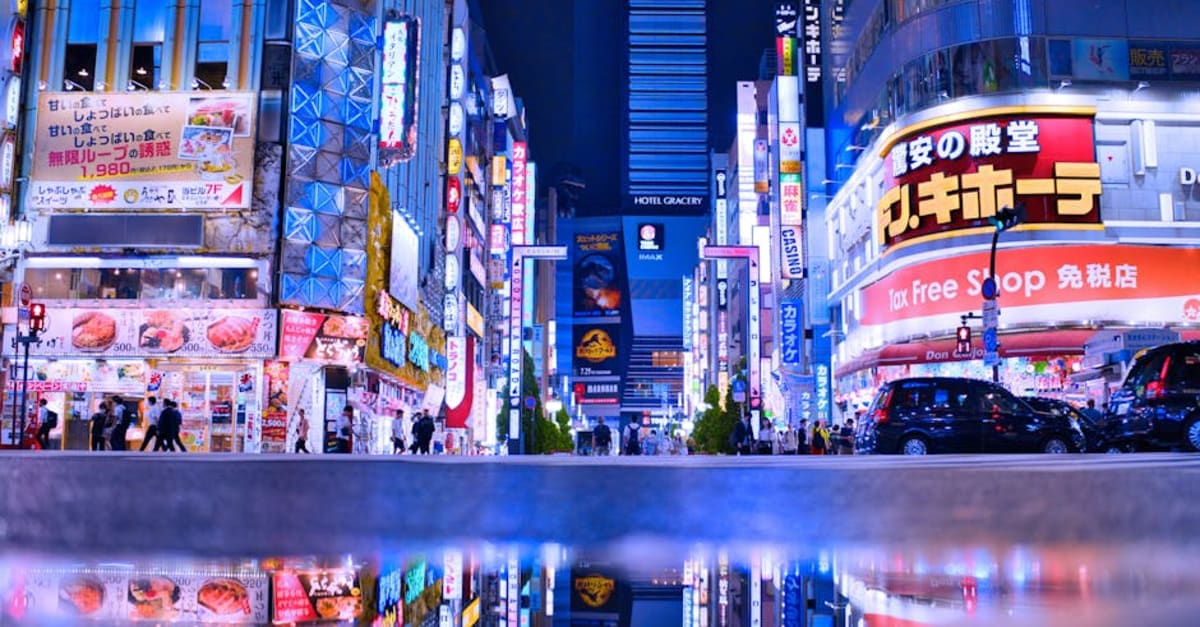
Local Markets in Tokyo
Local markets and bazaars in tokyo: traditional markets, souks, street markets, and shopping areas.
Exploring Tokyo’s Authentic Local Markets and Bazaars
Tokyo is a vibrant city that seamlessly blends tradition with modernity, and its local markets are perfect examples of this. From bustling street food stalls to quaint artisan shops, these markets offer an authentic glimpse into Japanese culture. Here’s a detailed guide to some of Tokyo’s best local markets, including what you can find, when to visit, and tips for an enjoyable experience.
1. Tsukiji Outer Market
Overview
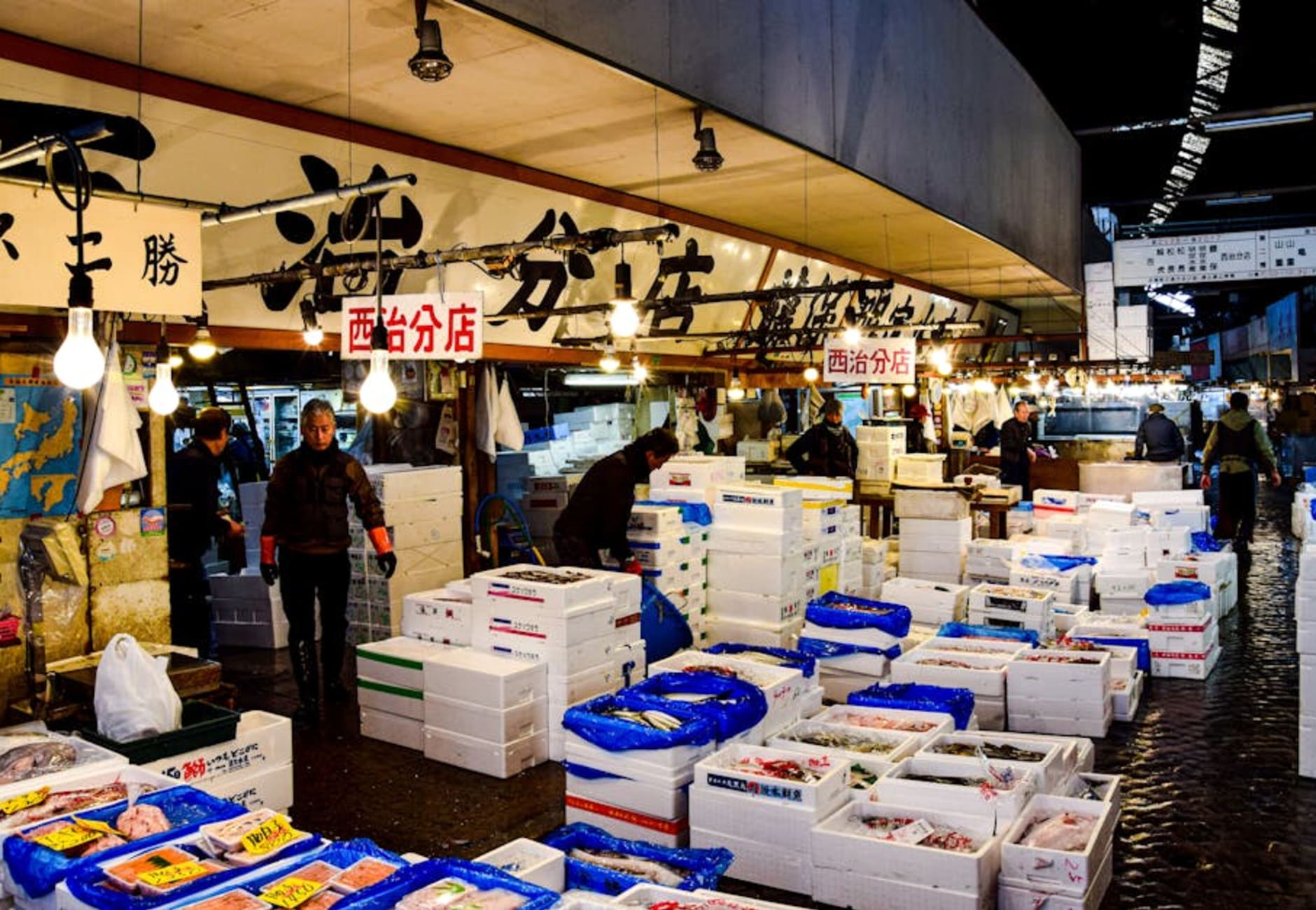
The Tsukiji Outer Market is a paradise for food lovers. Although the inner wholesale market has moved to Toyosu, the outer market remains a bustling hub for fresh seafood, produce, and culinary delights.
What’s Sold
- Seafood: Fresh fish, crab, and shellfish.
- Produce: Seasonal fruits and vegetables.
- Snacks: Sushi rolls, grilled seafood skewers, and street food delights like tamagoyaki (Japanese omelet).
- Kitchenware: High-quality knives and kitchen gadgets.
Best Time to Visit
- Hours: 5:00 AM to 2:00 PM (though some shops close earlier).
- Best Time: Early morning for the freshest catches and fewer crowds.
Location & Accessibility
- Address: 4-16-2 Tsukiji, Chuo City, Tokyo.
- Transport: Accessible via Tokyo Metro Hibiya Line (Tsukiji Station) and Toei Oedo Line (Tsukijishijo Station).
Unique Features
- Experience the bustling atmosphere of a traditional fish market.
- Taste freshly prepared sushi and seafood on-site.
Tips for Visitors
- Facilities: Restrooms available but may be limited; bring cash for purchases.
- Crowd Caution: Expect large crowds on weekends; weekdays are less busy.
- Pickpocketing: Stay alert in crowded areas; keep valuables close.
What to Bring
- Comfortable shoes for walking.
- Cash, as many stalls do not accept credit cards.
2. Ameya-Yokocho Market (Ameyoko)
Overview
Ameya-Yokocho, or Ameyoko, is a lively market street located near Ueno Station. It’s famous for its diverse shopping and street food.
What’s Sold
- Clothing: Casual wear, shoes, and accessories.
- Food: Dried fish, spices, sweets, and street food.
- Cosmetics: Japanese skincare products.
Best Time to Visit
- Hours: 10:00 AM to 8:00 PM.
- Best Time: Late afternoon or early evening for food sampling.
Location & Accessibility
- Address: Ueno, Taito City, Tokyo.
- Transport: Easily reachable via JR Ueno Station.
Unique Features
- A mix of traditional and modern Japanese goods.
- The vibrant atmosphere with street performers and food stalls.
Tips for Visitors
- Haggling Etiquette: It’s common to negotiate prices, especially for clothing and non-food items; start at about 70% of the initial price and see how the seller responds.
- Facilities: Public restrooms are available, but cleanliness can vary.
- Crowd Caution: Weekends can be extremely crowded, making it harder to navigate.
What to Bring
- A reusable shopping bag for purchases.
- An appetite for street food.
3. Nakano Broadway
Overview
Nakano Broadway is a treasure trove for pop culture enthusiasts, specializing in vintage collectibles, anime merchandise, and unique gifts.
What’s Sold
- Collectibles: Vintage toys, manga, and anime figures.
- Clothing: Themed apparel and cosplay outfits.
- Electronics: Rare gadgets and retro games.
Best Time to Visit
- Hours: 10:00 AM to 8:00 PM.
- Best Time: Weekdays for a quieter experience.
Location & Accessibility
- Address: 5-52-15 Nakano, Nakano City, Tokyo.
- Transport: Accessible via JR Chuo Line (Nakano Station).
Unique Features
- A hub for otaku culture, with many specialty shops.
- Themed cafés and restaurants nearby.
Tips for Visitors
- Facilities: Many shops have cash-only policies; ATMs are available.
- Crowd Caution: Can get busy on weekends, especially during events.
- Pickpocketing: Be cautious, particularly in crowded shops.
What to Bring
- A collector’s mindset and a list of items you’re searching for.
4. Yanaka Ginza
Overview
Yanaka Ginza is a nostalgic shopping street that reflects Tokyo’s past, featuring traditional snacks and handcrafted goods.
What’s Sold
- Snacks: Traditional sweets, senbei (rice crackers), and grilled fish.
- Crafts: Hand-painted ceramics and textiles.
- Souvenirs: Unique local items that reflect the area’s history.
Best Time to Visit
- Hours: 10:00 AM to 6:00 PM.
- Best Time: Weekdays to enjoy a more relaxed shopping experience.
Location & Accessibility
- Address: Yanaka, Taito City, Tokyo.
- Transport: Less than a 10-minute walk from Nippori Station (JR Yamanote Line).
Unique Features
- A quaint, retro atmosphere with a sense of community.
- Opportunity to see local residents and artisans at work.
Tips for Visitors
- Facilities: Basic amenities available; check local shops for restrooms.
- Crowd Caution: Less crowded than other markets; ideal for leisurely exploration.
What to Bring
- A camera to capture the picturesque streets.
- Cash for purchases, as many vendors may not accept cards.
Haggling Etiquette and Tips for Fair Prices
- Haggle Gently: Be polite and respectful when negotiating prices. A friendly smile and casual conversation can go a long way.
- Know the Market: Do a bit of research on typical prices beforehand. This will give you a foundation to negotiate from.
- Be Prepared to Walk Away: If a price doesn’t feel right, don’t hesitate to walk away. Often, sellers will call you back with a better offer.
Final Thoughts
Exploring Tokyo’s local markets is an enriching experience that offers a taste of authentic Japanese culture. Whether you’re hunting for fresh seafood at Tsukiji, vintage collectibles at Nakano Broadway, or traditional snacks at Yanaka Ginza, you’re sure to find unique treasures and delicious bites. Remember to stay alert, keep your belongings secure, and immerse yourself in the lively atmosphere of these remarkable markets. Happy shopping!