Staying Safe & Respecting Local Rules in Paris
Safety guide for paris: areas to avoid, local laws, emergency contacts, and cultural respect guidelines.
Safety and Local Etiquette Guide for Paris
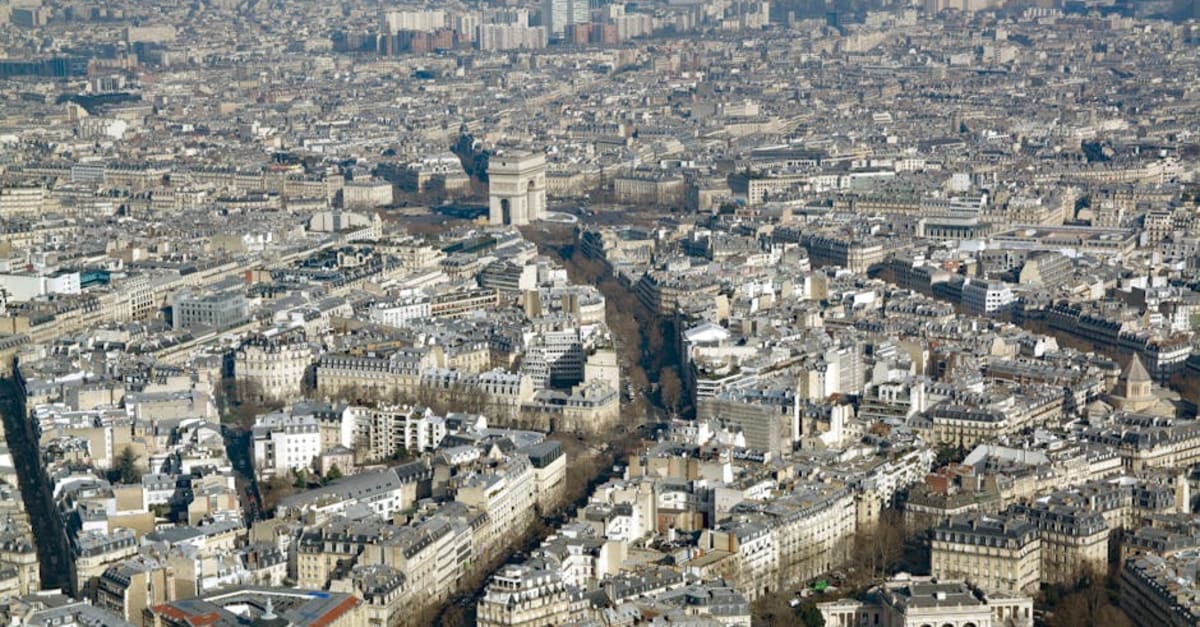
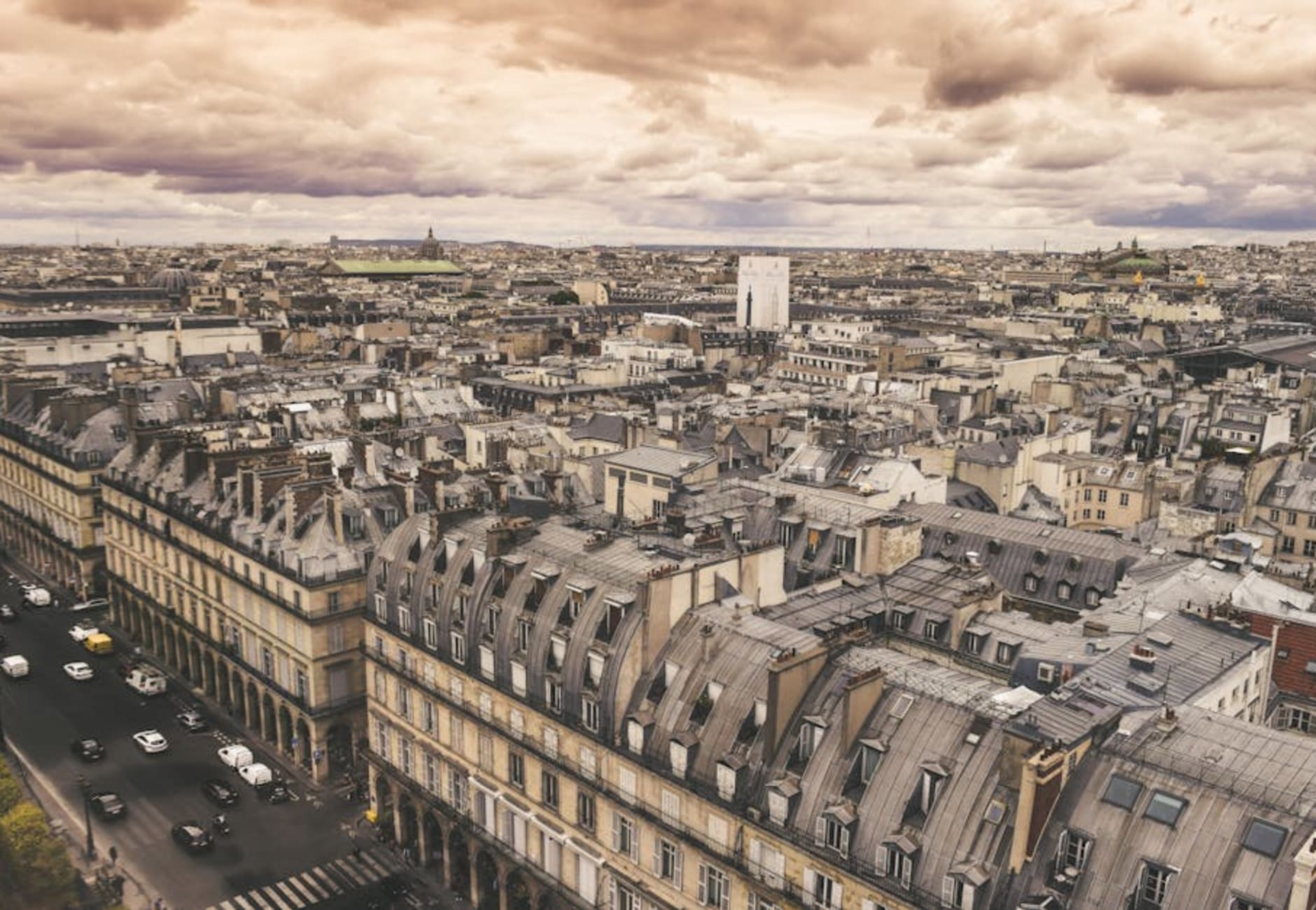
Paris, the City of Light, is renowned for its stunning architecture, rich history, and vibrant culture. While it is generally a safe destination for tourists, being informed about safety, local etiquette, and cultural sensitivities can enhance your experience. This guide provides essential tips and insights for a seamless Parisian adventure.
Safety
Neighborhoods to Avoid
While most of Paris is safe, some areas are known for higher crime rates. It is advisable to be cautious in the following neighborhoods, especially after dark:
- Gare du Nord: A major train station that can attract pickpockets.
- Château d’Eau: Known for street crime. Exercise caution here, especially at night.
- La Goutte d’Or: While culturally rich, this neighborhood has a reputation for petty crime.
Safe Transportation Options
Getting around Paris is convenient, thanks to its extensive public transport system:
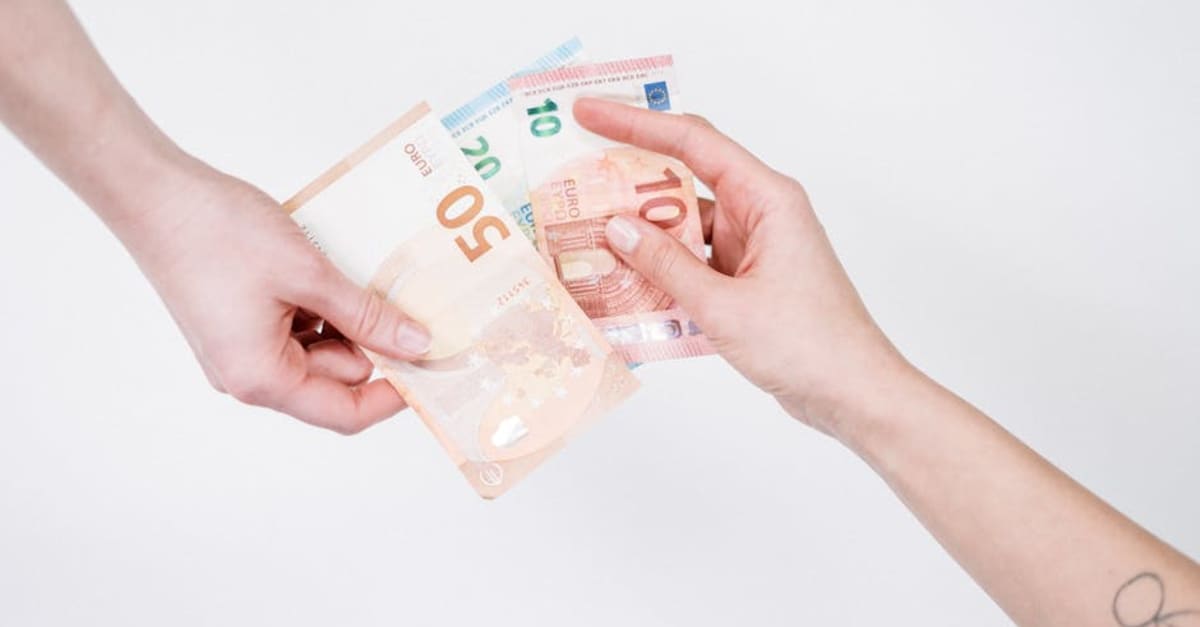
- Metro: The Paris Métro is efficient, with tickets costing around €1.90. Keep an eye on your belongings, especially during rush hours.
- Buses: The city’s buses are safe and allow you to see the sights while traveling.
- Taxis and Rideshares: Taxis are widely available, and services like Uber operate in the city. Expect fares to start around €7.
- Bicycle Rentals: Consider using the city’s bike-sharing service, Vélib’, where you can rent bikes for as little as €1.70 for a day.
Crime Statistics Context
According to 2020 crime statistics, Paris has seen a decrease in violent crime, but theft remains a concern, particularly pickpocketing. In 2019, the reported theft rate was approximately 300 per 100,000 inhabitants. Always remain vigilant, especially in crowded tourist spots like Montmartre and the Champs-Élysées.
Common Scams and How to Avoid Them
Scams are common in tourist-heavy areas. Here are some to watch out for:
- Friendship Bracelets: People may approach you with string and offer to tie a bracelet on your wrist. This is often followed by a demand for money. Politely decline and walk away.
- Petition Scams: Be wary of individuals asking for signatures for fake charities. They may distract you while an accomplice picks your pocket.
- Fake Police: Some scammers pose as police officers to ask for identification. Always be cautious; real officers will show identification and typically don’t ask for money.
Legal Matters
Local Laws Affecting Tourists
Understanding local laws can prevent misunderstandings:
- Alcohol Consumption: Drinking in public spaces is generally not allowed. However, you can drink at parks or on the Seine if you are discreet.
- Smoking: Smoking is prohibited in enclosed public spaces, including restaurants and cafes.
- Public Behavior: Loud behavior or public displays of affection may attract unwanted attention, particularly in more conservative areas.
Photography Restrictions
While Paris is a picturesque city, there are restrictions on photography:
- Museums and Galleries: Many museums, such as the Louvre, prohibit flash photography. Check individual museum policies.
- Private Property: Always ask for permission before photographing private residences, especially in residential neighborhoods.
Cultural Respect
Appropriate Behavior in Religious Sites
Paris is home to many religious sites, such as Notre-Dame Cathedral and Sacré-Cœur Basilica. When visiting:
- Dress Modestly: Cover shoulders and knees when entering churches.
- Maintain Silence: Speak softly and respect those who are there for worship.
- Photography: Be mindful of signs regarding photography; some churches do not allow it during services.
Cultural Sensitivities
Understanding French culture can enhance your interaction with locals:
- Greetings: A simple “Bonjour” (hello) upon entering shops is expected. Use “Merci” (thank you) when leaving.
- Dining Etiquette: Wait for the host to start eating before you begin. Tipping is not mandatory, but rounding up the bill or leaving small change is appreciated.
- Personal Space: The French value personal space; avoid standing too close during conversations.
Emergency Procedures
Emergency Contact Information
In case of emergencies, know the appropriate contacts:
- Police: Dial 17 for emergency police assistance.
- Fire Services: Dial 18 for fire emergencies.
- Medical Assistance: Dial 15 for medical emergencies.
Embassy Details
If you require assistance from your home country, locate your embassy:
- United States Embassy: 2 Avenue Gabriel, 75008 Paris. Phone: +33 1 43 12 22 22
- United Kingdom Embassy: 21 Rue du Faubourg Saint-Honoré, 75008 Paris. Phone: +33 1 44 51 31 00
- Canada Embassy: 130 rue du Faubourg Saint-Honoré, 75008 Paris. Phone: +33 1 44 43 29 00
Additional Tips
- Health Insurance: Always travel with health insurance that covers emergency medical situations.
- Stay Informed: Keep a copy of important documents (passport, ID, insurance) and be aware of your surroundings.
By familiarizing yourself with these safety tips, legal matters, cultural sensitivities, and emergency procedures, you can enjoy a wonderful experience in Paris while minimizing risks. Embrace the charm of this beautiful city, and always be respectful of its customs and traditions. Enjoy your stay!