Currency, Exchange, Payments & Money Tips in Paris
Currency guide for paris: exchange rates, payment methods, ATMs, forex, and practical money tips.
A Comprehensive Guide to Money and Payments in Paris
Paris, the City of Light, is a hub of culture, art, and gastronomy. While soaking in the beauty of its streets, you’ll need to navigate the local currency and payment methods. This guide will help you understand the basics of money, how to exchange it, and the best ways to handle your finances while exploring this enchanting city.
Currency Basics
Local Currency: Euro (EUR)
The official currency of France is the Euro (€). As of October 2023, the exchange rate is approximately 1 USD = 0.93 EUR and 1 EUR = 1.08 USD. Exchange rates can fluctuate, so it’s wise to check a reliable financial news source or currency converter app before your trip.
Coins and Notes
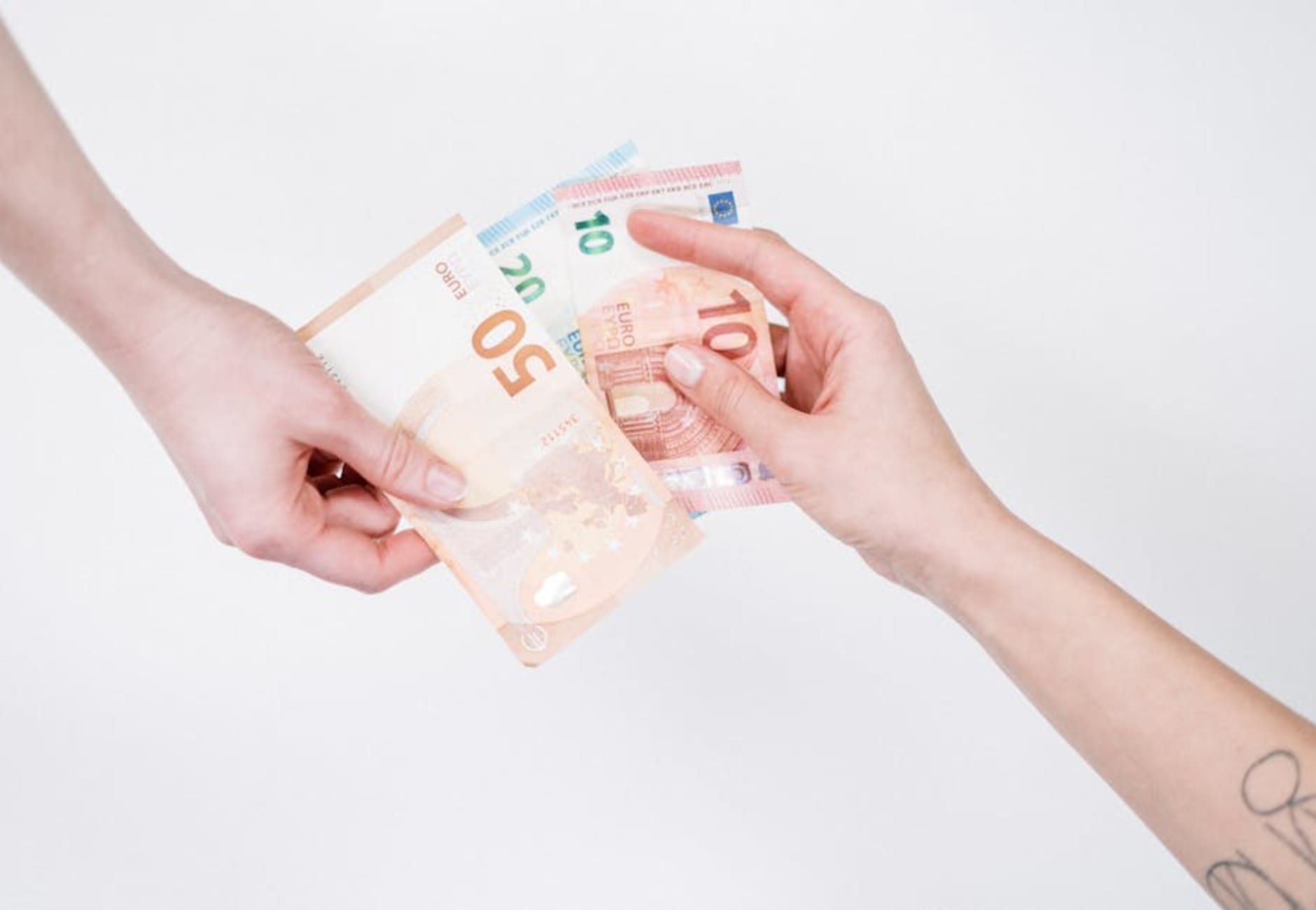
Euros are divided into coins (1 cent to 2 euros) and notes (5, 10, 20, 50, 100, 200, and 500 euros). While coins are useful for small purchases like a baguette or metro tickets, larger transactions will typically require notes.
Exchange Methods
Best Places to Exchange Money
When it comes to exchanging money in Paris, you have several options:
1. Banks
- Pros: Generally offer better exchange rates and lower fees.
- Cons: Limited hours (usually Monday to Friday, 9 AM to 5 PM) and may require identification.
- Recommendation: BNP Paribas and Société Générale have numerous branches across the city.
2. Airports
- Pros: Convenient for immediate cash needs upon arrival.
- Cons: Higher fees and poorer exchange rates compared to banks.
- Recommendation: If you must exchange at the airport, look for reputable kiosks like Travelex, but only exchange a small amount.
3. Street Exchange
- Pros: Quick and accessible.
- Cons: Often have extremely poor exchange rates and risk of scams.
- Advice: Avoid street vendors and unofficial exchange booths.
ATMs
ATMs are widely available and usually offer good exchange rates. Look for ATMs associated with major banks like BNP Paribas or Crédit Agricole.
ATM Fees
- Home Bank Fees: Check with your bank about potential international withdrawal fees.
- Local ATM Fees: Some ATMs may charge a fee, usually around €2-€5 for withdrawals.
Tip: Always choose to be charged in euros to avoid dynamic currency conversion fees, which can inflate the cost.
Cards vs Cash
Credit and Debit Cards
In Paris, credit and debit cards are widely accepted, especially Visa and Mastercard.
Pros
- Convenience: No need to carry large amounts of cash.
- Rewards: Many cards offer travel rewards or cash back.
- Security: If lost or stolen, you can report them to your bank.
Cons
- Foreign Transaction Fees: Some cards charge a fee (typically 1-3%) for international purchases.
- Acceptance Issues: Not all places accept American Express.
Cash
While cards are convenient, having cash on hand is essential for smaller purchases at bakeries, markets, and some smaller shops.
Pros
- Universal Acceptance: Cash is accepted everywhere.
- No Fees: No foreign transaction fees apply.
Cons
- Safety Concerns: Carrying large amounts of cash can increase the risk of theft.
- Limited Use: Not all establishments accept card payments.
Conclusion: Cards vs Cash
For a balanced approach, use a combination of cash for small purchases and your card for larger transactions. Always have at least €50 in cash for emergencies or places that do not accept cards.
Digital Payments
Mobile Wallets
Services like Apple Pay, Google Pay, and Samsung Pay are becoming more common in Paris. Most major retailers and restaurants accept these forms of payment.
Advantages
- Speed: Quick transactions with just a tap.
- Security: Offers a secure way to carry money digitally.
Disadvantages
- Limited Acceptance: Not all vendors may accept mobile payments, especially smaller shops.
- Battery Dependence: You need your device charged to make payments.
Contactless Payments
Contactless chip cards are standard in Europe. Simply tap your card at payment terminals for transactions under €50.
Cost Estimates
Daily Budget in Paris
- Budget Traveler: €50-€70 (hostels, street food, public transport)
- Mid-Range Traveler: €100-€200 (3-star hotels, dining at bistros, some attractions)
- Luxury Traveler: €300+ (5-star hotels, fine dining, exclusive experiences)
Practical Tips for Money Handling
-
Get a No Foreign Transaction Fee Card: Look for credit cards that do not charge foreign transaction fees to save money on purchases.
-
Use a Currency Conversion App: Download a reliable app to keep track of real-time exchange rates and avoid overpaying.
-
Avoid Tourist Areas for Exchanges: Always seek local banks or ATMs for better rates rather than exchanging currency near tourist attractions.
-
Be Mindful of Scams: Watch out for common scams, especially around tourist hotspots. If someone approaches you asking for money or help with currency exchange, it’s often a scam.
-
Keep Cash Secure: Use a money belt or a pouch under your clothes to keep larger amounts of cash and your cards safe from pickpockets.
-
Notify Your Bank: Before your trip, inform your bank of your travel plans to ensure your cards work without issues.
Conclusion
Navigating money and payments in Paris can be simple if you know your options. With a mix of cash, cards, and digital payments, you can enjoy the city without financial stress. By following the tips in this guide, you’ll ensure a smooth and enjoyable experience in the heart of France. Bon voyage!