Dubai Currency, Exchange, Payments & Money Tips for Tourists
Everything you need to know about money in Dubai — UAE Dirham basics, where to exchange currency, card payments, tipping culture, and saving money.
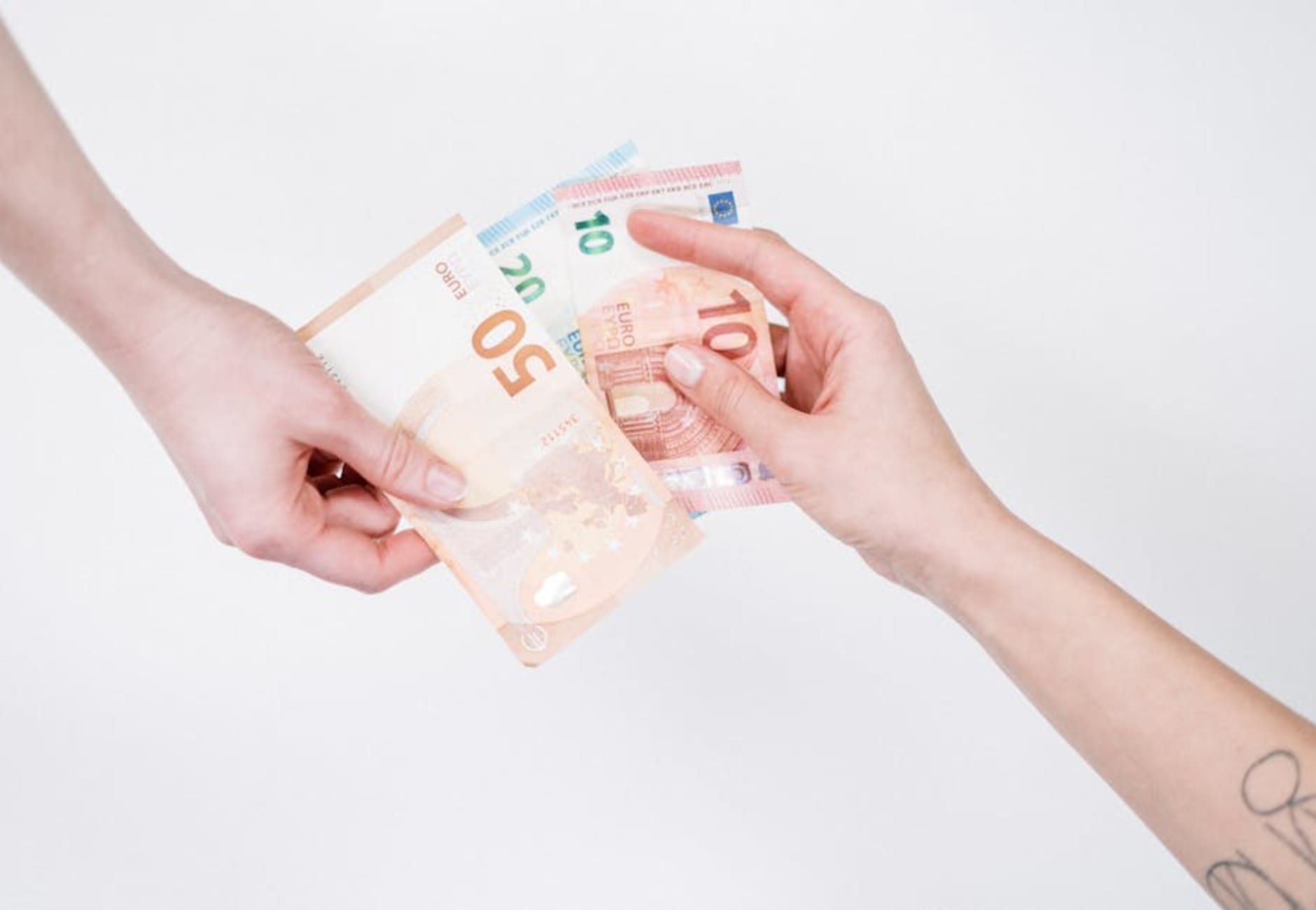
Understanding the UAE Dirham
The official currency of Dubai (and the entire UAE) is the UAE Dirham (AED), also written as “Dhs” locally. The Dirham is pegged to the US Dollar at a fixed rate of approximately AED 3.67 = $1 USD, making it one of the world’s most stable currencies. This peg has held since 1997, so there’s minimal exchange rate risk for travelers.
Dirhams come in banknotes of 5, 10, 20, 50, 100, 200, 500, and 1000. Coins are in denominations of 1 Dirham, 50 fils, and 25 fils (100 fils = 1 Dirham). In practice, coins smaller than 25 fils are rarely used, and many transactions round to the nearest Dirham.
Quick Conversion Reference
| AED | USD | EUR | GBP | INR |
|---|---|---|---|---|
| 1 | 0.27 | 0.25 | 0.21 | 22.7 |
| 10 | 2.72 | 2.50 | 2.14 | 227 |
| 50 | 13.60 | 12.50 | 10.70 | 1,135 |
| 100 | 27.20 | 25.00 | 21.40 | 2,270 |
| 500 | 136.00 | 125.00 | 107.00 | 11,350 |
Rates are approximate and fluctuate for non-USD currencies.
Where to Exchange Currency
Best Options (Lowest Fees)
Exchange houses in Dubai consistently offer better rates than banks, airports, or hotels. UAE Exchange, Al Ansari Exchange, and Al Rostamani International Exchange have branches throughout the city, including in malls and Metro stations. They charge minimal or no commission and display competitive rates. Always compare rates between 2-3 exchange houses, as they can vary by 1-3%.
Decent Options
ATMs are everywhere in Dubai and accept all major international cards. Most ATMs dispense 100, 200, and 500 AED notes. Your home bank’s foreign transaction fee (typically 1-3%) plus a flat withdrawal fee ($2-5) apply. Withdrawing larger amounts less frequently minimizes per-transaction fees.
Avoid
Airport exchange counters typically offer 5-10% worse rates than city exchange houses. Hotel desks similarly add a premium for convenience. If you need cash at the airport, exchange only a small amount (AED 100-200) for immediate transport needs and get better rates in the city.
Card Payments in Dubai
Dubai is very card-friendly. Visa and Mastercard are accepted at virtually every mall, restaurant, hotel, supermarket, and attraction. Contactless payments (tap-to-pay) are standard. Apple Pay and Samsung Pay work widely. American Express is accepted at larger establishments but less universally.
Important: Inform your bank of your travel dates before departure to avoid your card being blocked for suspicious activity. Check your card’s foreign transaction fees — many premium travel cards offer 0% foreign transaction fees, which makes card payments the cheapest option.
Where you’ll need cash: Souks and traditional markets (Gold Souk, Spice Souk), small local restaurants and cafeterias, abra (water taxi) rides, some street food vendors, and tipping.
ATM Tips
ATMs from major banks (Emirates NBD, Mashreq, ADCB, FAB) are reliable and widely available in malls, Metro stations, hotels, and street locations. Most offer an English language option. Some ATMs charge a local fee of AED 5-15 per transaction in addition to your home bank’s charges. Check if your bank has fee reciprocity agreements with UAE banks.
A useful strategy: withdraw AED 500-1000 at the beginning of your trip for small expenses, and use your card for everything else.
Tipping Culture in Dubai
Tipping in Dubai is appreciated but not mandatory. A 10% service charge is often added to restaurant bills automatically — check before adding extra. When service is exceptional and no charge is added, 10-15% is generous. For specific situations:
Restaurants: Check if service charge is included. If not, 10-15% is appropriate. If it is, an additional AED 10-20 for excellent service is kind but optional.
Taxis: Round up to the nearest AED 5-10. Taxi drivers don’t expect tips but appreciate them.
Hotel staff: AED 10-20 for porters carrying bags, AED 10-20 per day for housekeeping (left on the bedside table), AED 20-50 for concierge assistance with reservations or special requests.
Tour guides/safari drivers: AED 20-50 per person for group tours, AED 50-100 for private experiences.
Spa therapists: 10-15% of the treatment cost if service charge isn’t included.
Money-Saving Strategies
Use a travel card with no foreign transaction fees for the majority of your spending — this alone can save 2-3% compared to standard cards. Exchange only what you need in cash, and do it at city exchange houses rather than airports. Take advantage of Dubai’s competitive pricing on electronics, gold, and perfume, which can be genuinely cheaper than your home country even before VAT refund. Claim your 5% VAT refund at the airport for purchases over AED 250 per retailer.
Is Dubai a Cash or Card City?
Dubai has evolved into a predominantly card-based economy. You can comfortably spend an entire trip using cards for 90% of transactions. That said, carrying AED 200-500 in cash at all times is smart for small vendors, tips, and the occasional card machine issue. The ideal approach is a low-fee travel card as your primary payment method, supplemented by a modest amount of cash from a well-rated exchange house.


