Complete Dubai Travel Guide for First-Time Visitors: Tips, Weather & What to Know
Everything first-time visitors need to know about Dubai — from weather and best time to visit, to cultural tips, getting around, and must-see attractions.
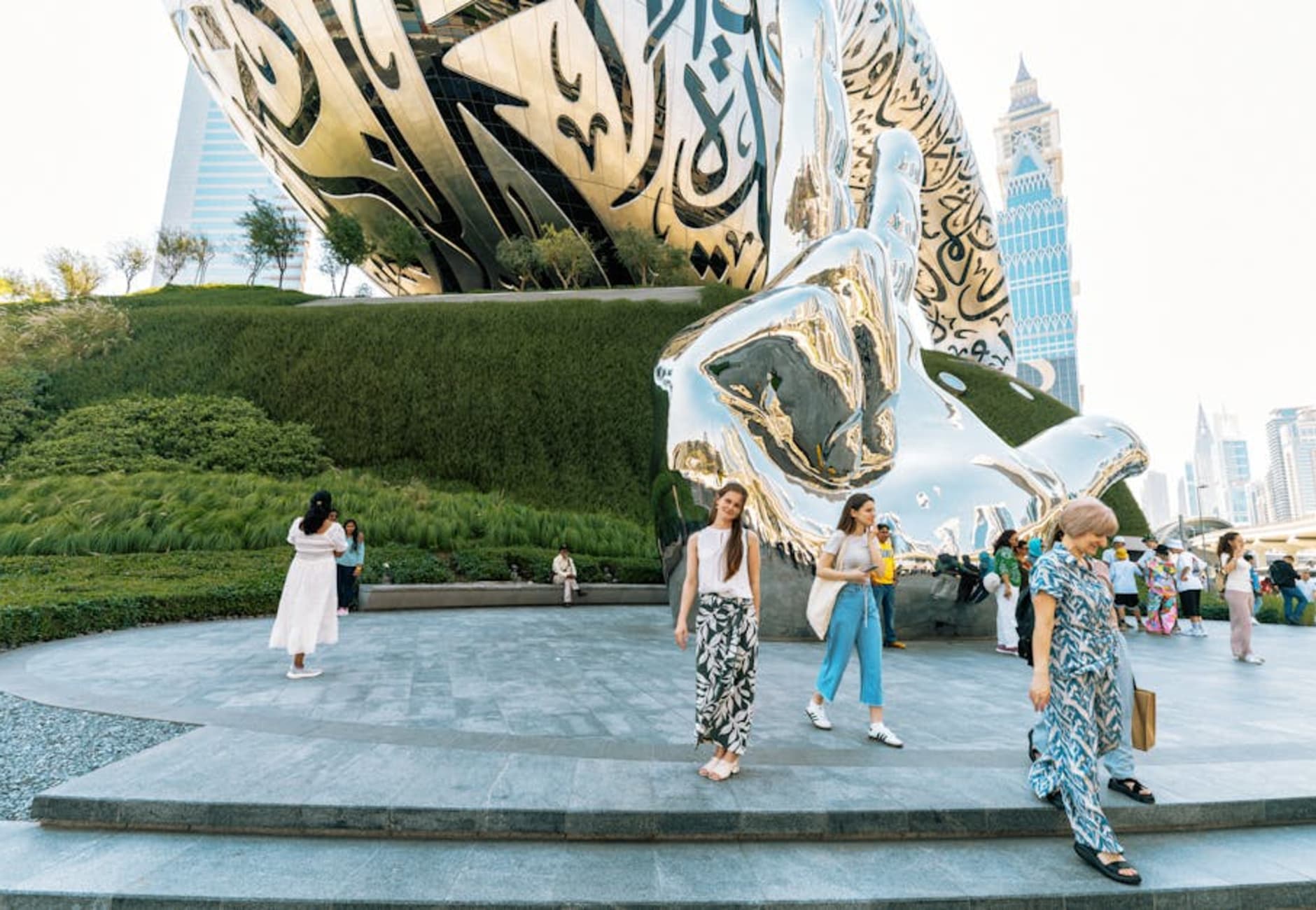
Why Visit Dubai?
Dubai is a city of superlatives. Home to the world’s tallest building, the largest shopping mall, and some of the most innovative architecture on the planet, this desert metropolis on the Persian Gulf has transformed itself from a small fishing village into one of the most visited cities on Earth.
Whether you’re drawn by the glittering skyline, the world-class shopping, the pristine beaches, or the rich Emirati culture that underlies the modern exterior, Dubai offers something extraordinary for every type of traveler.
Best Time to Visit Dubai
The ideal window for visiting Dubai runs from November through March, when temperatures hover between 20-30°C (68-86°F) and humidity is manageable. This is peak season, meaning higher hotel prices and larger crowds, but the weather makes outdoor exploration genuinely enjoyable.
Summer (June to September) brings extreme heat — often exceeding 45°C (113°F) — but also dramatic hotel discounts of 30-50%. If you’re comfortable spending most of your time in air-conditioned malls, indoor attractions, and pool areas, a summer visit can be remarkably budget-friendly.
Shoulder season (April-May and October) offers a sweet spot: warm but not unbearable weather with moderate pricing.
Dubai Weather by Season
| Season | Months | Temperature | Crowd Level | Hotel Prices |
|---|---|---|---|---|
| Winter (Peak) | Nov–Mar | 20–30°C | High | $$$ |
| Shoulder | Apr–May, Oct | 30–38°C | Medium | $$ |
| Summer | Jun–Sep | 38–48°C | Low | $ |
Getting to Dubai
Dubai International Airport (DXB) is one of the world’s busiest airports and serves as the hub for Emirates airline. It’s well-connected to virtually every major city globally. The airport is located just 15 minutes from the city center, making arrivals convenient.
From the airport, you have several options: the Dubai Metro Red Line connects directly to the airport (affordable at around AED 6-15), taxis are metered and readily available (roughly AED 60-80 to downtown), and ride-hailing apps like Careem and Uber operate throughout the city.
Getting Around Dubai
Dubai is a sprawling city, but getting around is straightforward once you understand your options.
Dubai Metro is the backbone of public transport — a clean, affordable, and air-conditioned rail system with two lines covering major attractions. A Nol card (reloadable transit card) is essential and works on metro, buses, trams, and water buses.
Taxis are plentiful and metered, with starting fares around AED 12. Ride-hailing apps (Careem, Uber) are widely used and often more convenient. For longer stays or desert excursions, car rental is an option — Dubai has excellent road infrastructure and petrol is inexpensive.
Water taxis (Abras) offer a traditional way to cross Dubai Creek for just AED 1, and the newer Dubai Ferry connects Marina, JBR, and the Palm Jumeirah.
Top Areas to Know
Understanding Dubai’s geography helps plan your visit efficiently:
Downtown Dubai is where you’ll find Burj Khalifa, Dubai Mall, and the Dubai Fountain — the essential first-timer attractions. Dubai Marina & JBR offer beachfront living, dining, and nightlife. Old Dubai (Deira & Bur Dubai) reveals the city’s heritage through bustling souks and Creek-side dining. Palm Jumeirah is the iconic man-made island home to Atlantis and luxury resorts. Business Bay is the up-and-coming area with excellent mid-range hotels.
Cultural Tips for Visitors
Dubai is notably welcoming to tourists, but respecting local customs ensures a positive experience. Dress modestly when visiting mosques, malls generally accept casual Western attire, and beachwear belongs only at the beach or pool. During Ramadan (dates vary yearly), avoid eating, drinking, or smoking in public during daylight hours.
Alcohol is available at licensed hotel restaurants and bars but should never be consumed in public spaces. Public displays of affection should be kept minimal. Photography of people — especially local women — requires permission. These guidelines are straightforward and simply reflect common courtesy in the local culture.
Essential Dubai Tips for First-Timers
Planning ahead saves both money and time. Buy attraction tickets online in advance for significant discounts. Friday is the local weekend (weekend is Friday-Saturday), so plan your schedule accordingly. The Dubai Pass or similar attraction bundles can offer meaningful savings if you plan to visit multiple paid attractions.
Tap water is safe to drink in Dubai, though most visitors prefer bottled water. Tipping is appreciated but not mandatory — 10-15% at restaurants is customary. Many restaurants add a service charge automatically. Arabic is the official language, but English is widely spoken everywhere, including by taxi drivers, shop staff, and service workers.
How Much Does Dubai Cost?
Dubai can accommodate virtually any budget. A budget traveler might spend AED 300-500 per day (roughly $80-135), staying in 2-3 star hotels in Deira, eating at local restaurants, and using public transport. Mid-range travelers typically spend AED 800-1500 per day ($215-410), while luxury travelers can easily exceed AED 3000+ per day ($815+).
The biggest cost drivers are accommodation and dining at high-end restaurants. Attractions, transport, and everyday food are surprisingly reasonable compared to European or American cities.
Quick Reference: Dubai at a Glance
| Detail | Information |
|---|---|
| Currency | UAE Dirham (AED) |
| Language | Arabic (English widely spoken) |
| Time Zone | GMT+4 |
| Electricity | 220V, UK-style 3-pin plugs |
| Emergency | 999 (Police), 998 (Ambulance) |
| Best Season | November – March |
| Visa | Many nationalities get visa on arrival |
Start Planning Your Dubai Trip
With this overview in hand, you’re ready to dive deeper into specific aspects of your Dubai visit. Check out our detailed guides on budgeting, safety, what to wear, things to do, and getting around to build your perfect itinerary.