What to Eat in Tokyo: Must-Try Local Dishes
Tokyo food guide: must-try local dishes, signature cuisine, and authentic dining experiences.
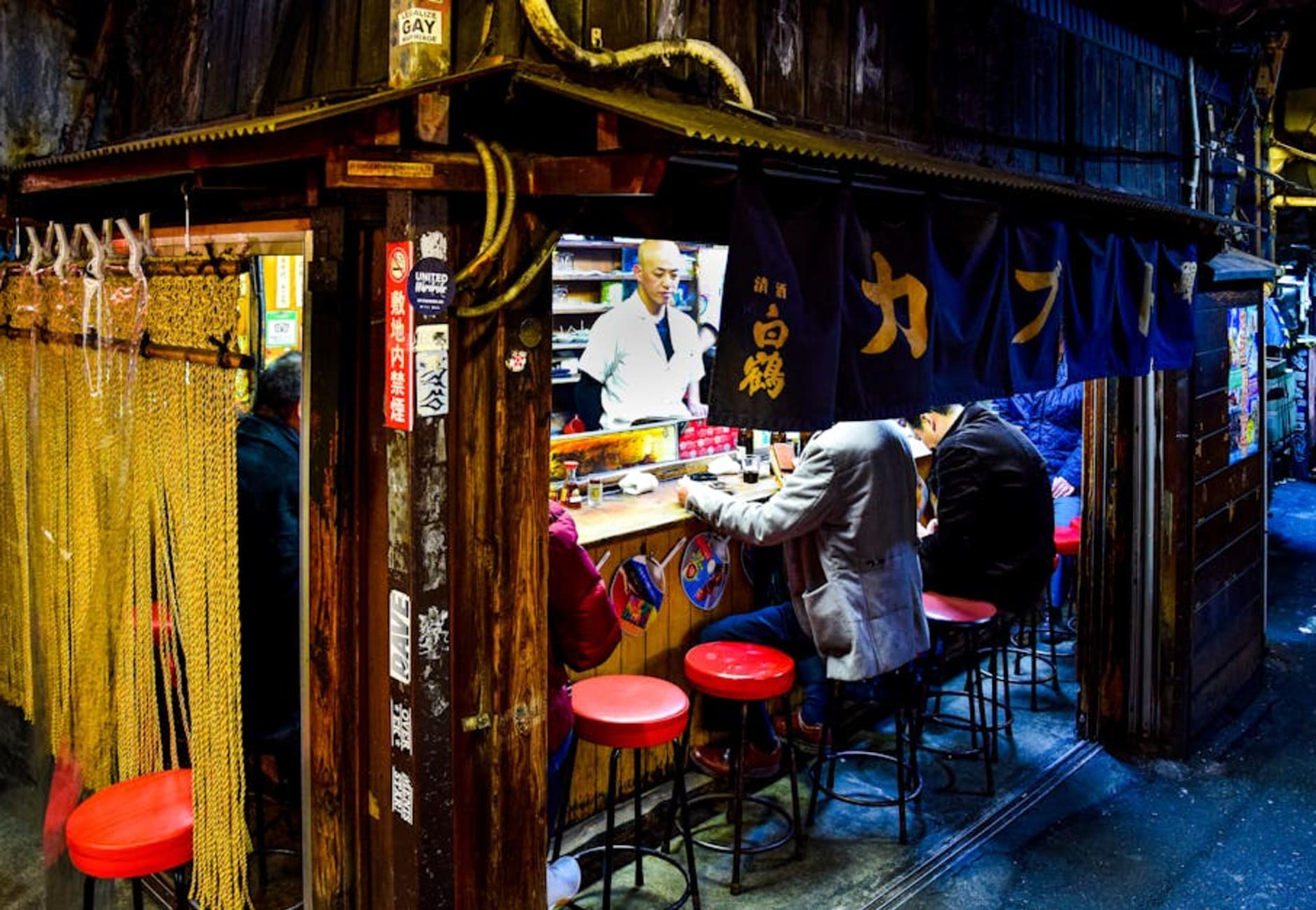
Tokyo’s Culinary Heritage: Must-Try Local Dishes
Tokyo, a bustling metropolis, is not just famous for its skyscrapers and neon lights; it’s also a paradise for food lovers. With a rich culinary heritage that combines traditional Japanese flavors with international influences, Tokyo offers an array of unique dishes that are a must-try. Here’s a guide to Tokyo’s signature dishes, their history, preparation, and where to find them.
1. Sushi
History and Cultural Significance
Sushi, believed to have originated in Southeast Asia as a method of preserving fish in fermented rice, has evolved significantly in Japan. Tokyo’s Edomae sushi, which uses fish caught in Tokyo Bay, is a hallmark of the city’s culinary identity.
Main Ingredients
- Vinegared rice
- Fresh fish (e.g., tuna, salmon, eel)
- Nori (seaweed)
Typical Preparation
Sushi chefs, or Itamae, train for years to master the art of sushi-making. Fish is sliced with precision, and the rice is prepared with a mix of vinegar, sugar, and salt.
Best Places to Try It
- Sukiyabashi Jiro: This world-renowned sushi restaurant offers a 20-course meal. Expect to pay around ¥40,000 ($370) for an unforgettable experience.
- Tsukiji Outer Market: Enjoy fresh sushi at various stalls for about ¥1,500 to ¥3,000 ($14-$28).
Dining Experience Tips
- Sit at the counter to watch the chef at work.
- It’s customary to eat sushi with your hands and dip the fish side into soy sauce.
2. Ramen
History and Cultural Significance
Ramen, a dish that became popular in Japan post-World War II, has evolved into various regional styles. Tokyo’s shoyu (soy sauce) ramen is known for its savory broth.
Main Ingredients
- Wheat noodles
- Broth (typically chicken or pork)
- Toppings (nori, green onions, chashu pork, soft-boiled egg)
Typical Preparation
Broth is simmered for hours, and noodles are cooked al dente before being served with toppings.
Best Places to Try It
- Ichiran Ramen: Specializes in tonkotsu ramen. A bowl costs around ¥1,000 ($9).
- Ramen Nagi: Offers customized ramen bowls starting at ¥900 ($8).
Dining Experience Tips
- Use the vending machine to order your meal in advance.
- Slurp your noodles to show appreciation for the dish.
3. Tempura
History and Cultural Significance
Tempura was introduced to Japan by Portuguese missionaries in the 16th century. It has become a beloved dish, often served as part of kaiseki, a traditional multi-course meal.
Main Ingredients
- Seafood (shrimp, white fish)
- Seasonal vegetables (sweet potatoes, bell peppers)
- Tempura batter (flour, water, egg)
Typical Preparation
Ingredients are lightly battered and deep-fried until crispy. The technique is crucial to achieving the perfect tempura.
Best Places to Try It
- Tempura Kondo: A Michelin-starred restaurant where dishes start at ¥3,500 ($32).
- Tenya: A popular chain offering tasty tempura bowls for around ¥800 ($7).
Dining Experience Tips
- Dip tempura into tentsuyu (dipping sauce) before eating.
- Enjoy with grated daikon radish for added flavor.
4. Yakitori
History and Cultural Significance
Yakitori, skewered and grilled chicken, has roots dating back to the Edo period. It’s a staple of izakayas (Japanese pubs) and symbolizes casual dining.
Main Ingredients
- Chicken (various cuts, including thigh, breast, and liver)
- Salt or tare (sweet soy sauce)
Typical Preparation
Chicken pieces are skewered and grilled over charcoal, imparting a smoky flavor.
Best Places to Try It
- Torikizoku: A popular chain where skewers cost around ¥300 ($2.80) each.
- Yakitori Naka: A hidden gem with a cozy atmosphere, dishes priced at around ¥2,500 ($23).
Dining Experience Tips
- Pair with beer or sake for an authentic experience.
- Sit at the counter to observe the grilling process.
5. Okonomiyaki
History and Cultural Significance
Often called “Japanese pancakes,” okonomiyaki has regional variations, with Tokyo-style being lighter and fluffier compared to the heavier Hiroshima-style.
Main Ingredients
- Flour, grated yam
- Cabbage
- Toppings (pork, seafood, mayonnaise, bonito flakes)
Typical Preparation
Ingredients are mixed into a batter and cooked on a griddle. Diners often prepare their own, making it a fun, interactive meal.
Best Places to Try It
- Chibo: A well-known chain where a meal costs about ¥1,500 ($14).
- Saito: A local favorite with prices starting at ¥1,000 ($9).
Dining Experience Tips
- Don’t shy away from customizing your toppings.
- Use a spatula to flip and cut your pancake.
6. Soba
History and Cultural Significance
Soba, or buckwheat noodles, has been a part of Japanese cuisine since the Edo period. It embodies the simplicity and purity of Japanese food culture.
Main Ingredients
- Buckwheat flour
- Water
Typical Preparation
Soba is boiled and often served chilled with dipping sauce or in hot broth.
Best Places to Try It
- Kagura Soba: Renowned for handmade soba, dishes start around ¥1,000 ($9).
- Yabu Soba: A historic soba shop with prices starting at ¥800 ($7).
Dining Experience Tips
- When eating cold soba, dip it into the sauce and enjoy with wasabi.
- Soba is often enjoyed on New Year’s Eve for long life.
7. Unagi
History and Cultural Significance
Unagi (grilled eel) has been a summer delicacy since the Edo period, believed to provide stamina during hot months.
Main Ingredients
- Freshwater eel
- Soy sauce, mirin, and sugar for glaze
Typical Preparation
Eels are filleted, grilled, and lacquered with a sweet sauce.
Best Places to Try It
- Unagi Kappo Yoshikawa: A Michelin-starred experience costing around ¥5,000 ($46).
- Nakamura: A traditional eatery with dishes starting at ¥3,000 ($28).
Dining Experience Tips
- Traditionally enjoyed with rice and pickled vegetables.
- It’s polite to eat unagi with chopsticks.
8. Mochi
History and Cultural Significance
Mochi, made from glutinous rice, has been a staple in Japanese cuisine since ancient times, often consumed during festivals and celebrations.
Main Ingredients
- Glutinous rice
- Fillings such as red bean paste or ice cream


