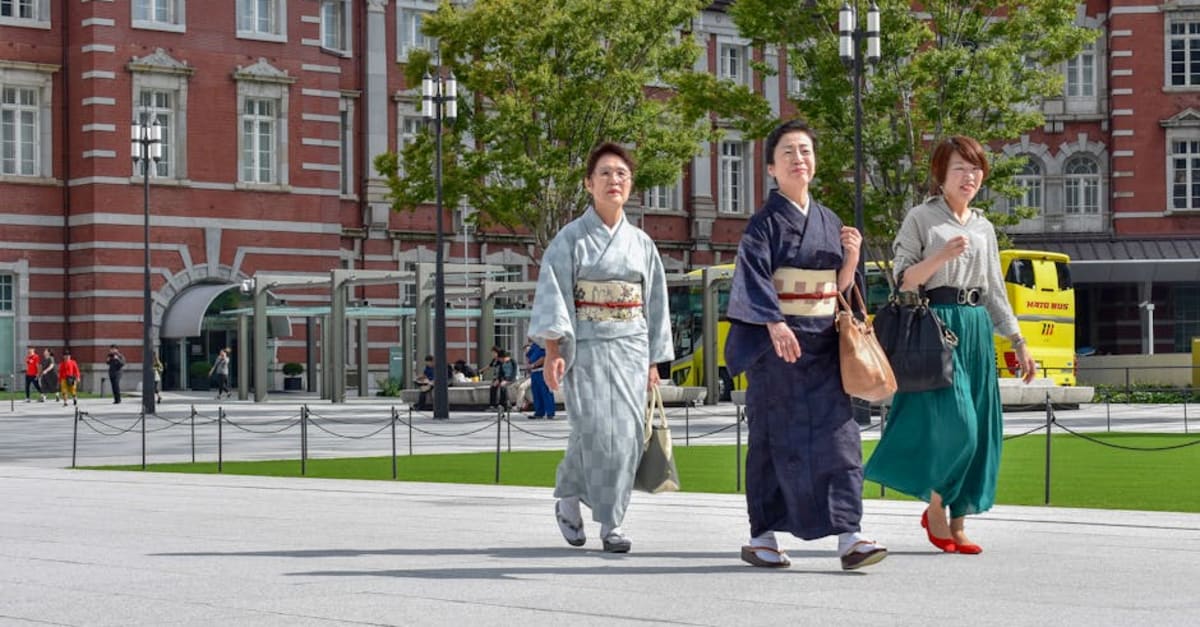
Language Spoken in Tokyo: Useful Phrases
Language guide: what languages are spoken and useful phrases for tokyo travelers.
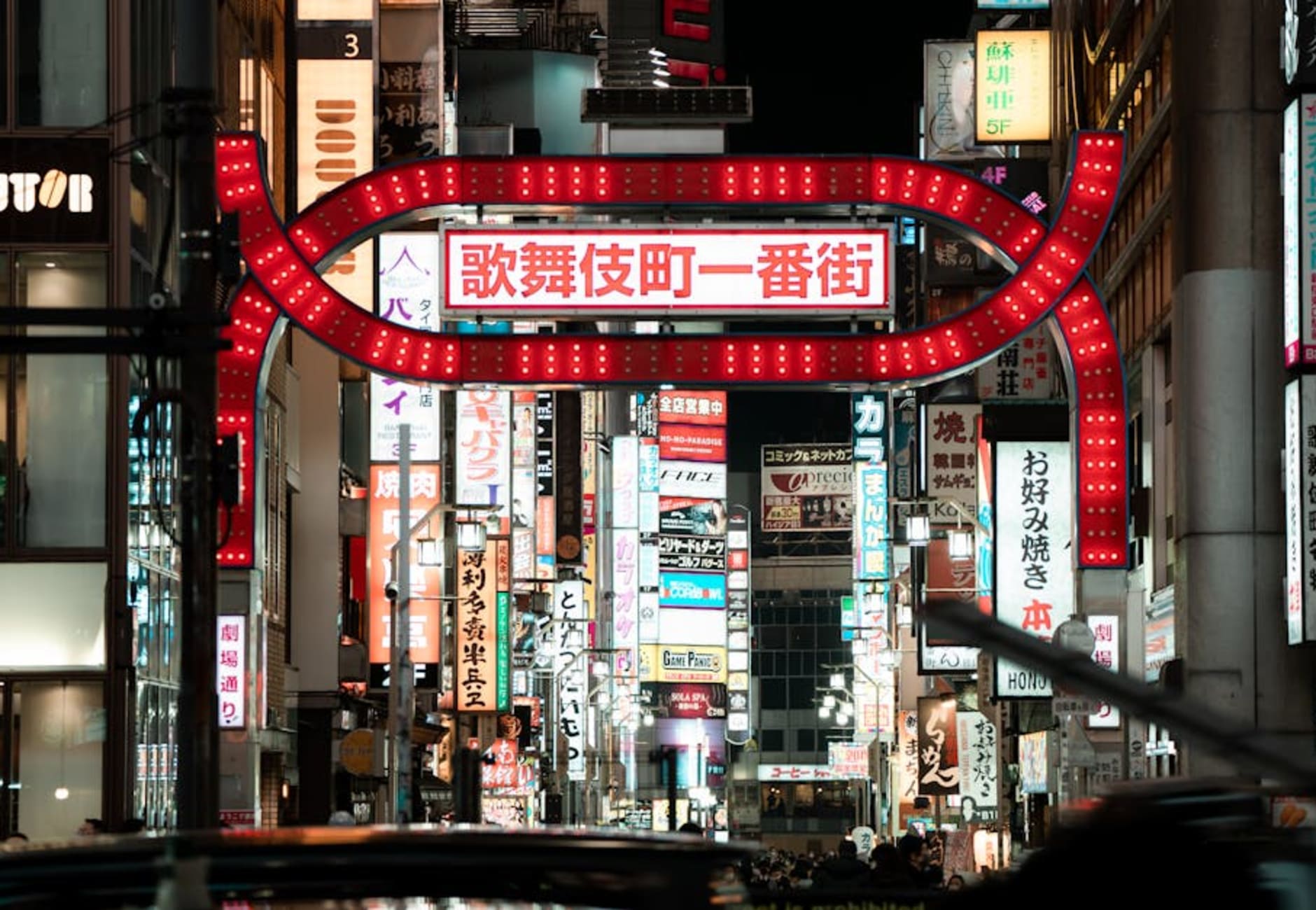
Language Guide for Tokyo: Navigating Communication in the Heart of Japan
Tokyo, the bustling capital of Japan, is a melting pot of tradition and modernity. While the primary language spoken is Japanese, English is increasingly being used, especially in tourist-friendly areas. This guide will provide you with essential information about language, useful phrases, and tips for overcoming language barriers while exploring this vibrant city.
Primary Languages Spoken in Tokyo
Japanese: The Core Language
Japanese (日本語, Nihongo) is the official language of Japan and is spoken by the vast majority of the population in Tokyo. It has three scripts: Hiragana, Katakana, and Kanji. Hiragana and Katakana are syllabaries used for native Japanese words and foreign words, respectively, while Kanji consists of characters borrowed from Chinese.
English: Growing but Limited
English is taught in schools, and many Japanese people can understand basic phrases. However, fluency varies widely. In metropolitan areas like Shibuya or Shinjuku, you’ll find more English speakers, especially in hotels, restaurants, and major tourist attractions. However, in less touristy districts or among older generations, English proficiency can be minimal.
Where English is Less Common
- Local Shops and Markets: Small, family-run businesses often don’t have English-speaking staff.
- Public Transportation: While signs are generally in English, announcements may not be.
- Residential Areas: Interaction with locals in suburban neighborhoods may present more challenges.
Useful Japanese Phrases
Here are 15 essential phrases to help you communicate effectively during your stay in Tokyo. Each phrase includes pronunciation and English translation.
Greetings and Politeness
-
Hello
- Japanese: こんにちは (Konnichiwa)
- Pronunciation: koh-nee-chee-wah
- Use: General greeting during the day.
-
Thank You
- Japanese: ありがとうございます (Arigatou gozaimasu)
- Pronunciation: ah-ree-gah-toh goh-zah-ee-mas
- Use: Express gratitude politely.
-
Excuse Me / I’m Sorry
- Japanese: すみません (Sumimasen)
- Pronunciation: soo-mee-mah-sen
- Use: To get someone’s attention or apologize.
-
Yes
- Japanese: はい (Hai)
- Pronunciation: hi
- Use: Affirmative response.
-
No
- Japanese: いいえ (Iie)
- Pronunciation: ee-eh
- Use: Negative response.
Practical Questions
-
How Much?
- Japanese: いくらですか? (Ikura desu ka?)
- Pronunciation: ee-koo-rah deh-skah
- Use: Asking for prices.
-
Help!
- Japanese: 助けて! (Tasukete!)
- Pronunciation: tah-skeh-teh
- Use: Calling for assistance.
-
Where is…?
- Japanese: …はどこですか? (… wa doko desu ka?)
- Pronunciation: … wah doh-koh deh-skah
- Use: Locating places. (Example: トイレはどこですか? for “Where is the bathroom?”)
Essential Locations
-
Bathroom
- Japanese: トイレ (Toire)
- Pronunciation: toh-ee-reh
- Use: Referring to the restroom.
-
Restaurant
- Japanese: レストラン (Resutoran)
- Pronunciation: reh-soo-tah-rahn
- Use: Asking for a dining establishment.
Emergency Phrases
-
Emergency
- Japanese: 緊急 (Kinkyuu)
- Pronunciation: keen-kyoo
- Use: To denote a serious situation.
-
Call the Police!
- Japanese: 警察を呼んでください! (Keisatsu o yonde kudasai!)
- Pronunciation: keh-ee-sah-tsu oh yohn-deh koo-dah-sigh
- Use: Asking for police assistance.
Additional Useful Phrases
-
I don’t understand.
- Japanese: わかりません (Wakarimasen)
- Pronunciation: wah-kah-ree-mah-sen
- Use: Indicating a lack of understanding.
-
Do you speak English?
- Japanese: 英語を話せますか? (Eigo o hanasemasu ka?)
- Pronunciation: eh-ee-goh oh hah-nah-seh-mah-skah
- Use: Asking if someone can speak English.
-
Please.
- Japanese: お願いします (Onegaishimasu)
- Pronunciation: oh-neh-gah-ee-shee-mah-s
- Use: Making a polite request.
-
Goodbye
- Japanese: さようなら (Sayounara)
- Pronunciation: sah-yoh-nah-rah
- Use: Farewell.
Tone and Politeness Considerations
Japanese culture places a strong emphasis on politeness and respect. When speaking, use a soft tone and bow slightly while greeting or thanking someone. The use of honorifics (san, sama, etc.) is common when addressing others, particularly in formal contexts. Always err on the side of politeness to avoid offending.
Regional Dialects
While the standard Japanese spoken in Tokyo is widely understood, there are regional dialects (方言, hōgen) across Japan. For instance, in the Kansai region (Osaka and Kyoto), the dialect has distinct vocabulary and intonation. However, within Tokyo, you’ll primarily encounter standard Japanese.
Tips for Communicating with Language Barriers
- Use Simple Language: Stick to basic vocabulary and avoid complex phrases.
- Speak Slowly: Enunciate clearly and avoid slang.
- Non-Verbal Communication: Gestures, body language, and facial expressions can be very helpful.
- Pointing and Pictures: Use maps or images to convey your message.
- Practice Patience: Language barriers can be frustrating, but a friendly attitude goes a long way.
Language Apps and Translation Services
Several apps can help bridge the language gap in Tokyo:
- Google Translate: Offers text translation and a camera feature for translating written text in real time.
- Duolingo: Great for learning basic Japanese phrases and vocabulary before your trip.
- Papago: A translation app that supports Japanese and offers voice translation, making it user-friendly for travelers.
Conclusion
While Japanese is the dominant language in Tokyo, a basic understanding of essential phrases can significantly enhance your travel experience. By approaching interactions with respect and politeness, you will find that many locals are eager to help, whether through language or gestures. With these tools in hand,