Local Markets in Singapore
Local markets and bazaars in singapore: traditional markets, souks, street markets, and shopping areas.
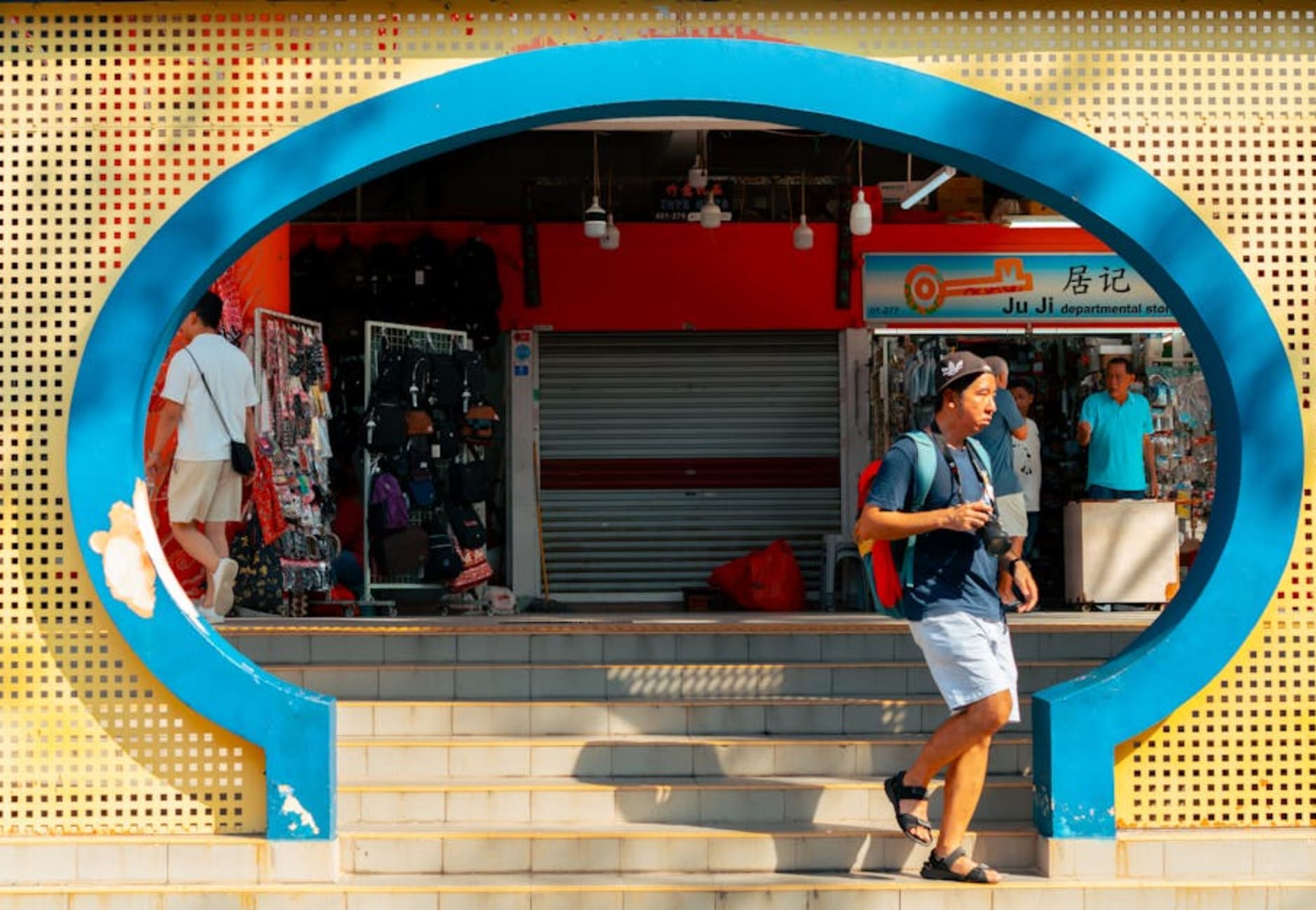
Explore Singapore’s Authentic Local Markets and Bazaars
Singapore is a vibrant melting pot of cultures, and its local markets are perfect for experiencing the city’s rich heritage. From bustling night bazaars to historic markets filled with textiles and spices, these venues offer a unique glimpse into Singaporean life. This guide will help you navigate some of the best local markets, providing you with practical tips to make your visit enjoyable and memorable.
1. Bugis Street Market
Overview
Bugis Street Market is one of the largest and most vibrant street markets in Singapore, known for its affordable fashion, accessories, and local snacks.
What’s Sold
- Fashion: Trendy clothing, shoes, and accessories.
- Food: Local delights like satay, deep-fried snacks, and bubble tea.
Best Time to Visit
The market is best visited in the evenings when it comes alive with locals and tourists.
Operating Hours
Daily from 10 AM to 10 PM.
Location & Accessibility
Located at Bugis, the market is easily accessible via the Bugis MRT station (East West Line and Downtown Line).
Unique Features
Bugis Street is known for its vibrant atmosphere and a wide range of affordable merchandise. It’s also famous for its local street food stalls.
Haggling Etiquette
Haggling is common here. Start by offering 20-30% less than the asking price. Be polite and ready to walk away if you don’t get a fair deal.
Facilities & Safety
- Facilities: Restrooms are available nearby, and there are plenty of ATMs.
- Crowds: Expect large crowds, especially on weekends.
- Pickpocketing Cautions: Keep your belongings secure; use a crossbody bag.
What to Bring
Comfortable shoes and cash, as many vendors do not accept credit cards.
2. Chinatown Street Market
Overview
Chinatown Street Market offers a rich mix of traditional Chinese culture and modern shopping experiences.
What’s Sold
- Crafts: Handcrafted souvenirs, lanterns, and jade.
- Food: Dim sum, traditional Chinese pastries, and herbal teas.
Best Time to Visit
Evenings are ideal for enjoying the bustling nightlife and street food.
Operating Hours
Daily from 10 AM to 10 PM.
Location & Accessibility
Located in the heart of Chinatown, accessible via Chinatown MRT station (North East Line).
Unique Features
The market is surrounded by historic buildings and temples, making it a picturesque shopping destination.
Haggling Etiquette
Don’t be afraid to negotiate, especially for souvenirs. Start with a price that’s about 50% of what the seller asks.
Facilities & Safety
- Facilities: Several food courts and restrooms are available.
- Crowds: Expect heavy foot traffic, particularly during festivals like Chinese New Year.
- Pickpocketing Cautions: Stay vigilant in crowded areas.
What to Bring
Bring a reusable shopping bag for your purchases and a camera to capture the vibrant atmosphere.
3. Little India Arcade
Overview
Little India Arcade is a colorful market that celebrates Indian culture, food, and textiles.
What’s Sold
- Textiles: Sarees, fabrics, and traditional attire.
- Spices: A wide variety of spices and herbs.
- Food: Authentic Indian dishes such as biryani and roti prata.
Best Time to Visit
Weekends are lively, but weekdays offer a more relaxed experience.
Operating Hours
Daily from 10 AM to 10 PM.
Location & Accessibility
Located in Little India, it can be easily reached via the Little India MRT station (Downtown Line and North East Line).
Unique Features
The arcade features traditional Indian architecture and is home to several cultural shops and eateries.
Haggling Etiquette
Haggling is acceptable; aim to negotiate prices down by about 30-40%.
Facilities & Safety
- Facilities: ATMs and restrooms available.
- Crowds: Busy on weekends, especially during festivals like Deepavali.
- Pickpocketing Cautions: Keep your bags closed and be aware of your surroundings.
What to Bring
Bring a small backpack for your purchases, and be prepared to sample delicious street food.
4. Lau Pa Sat
Overview
Lau Pa Sat is a historic food market located in the heart of the Central Business District.
What’s Sold
- Food: A variety of hawker food, including satay, seafood, and local specialties.
Best Time to Visit
Evenings are popular for dining, especially during weekdays when the office crowd comes out.
Operating Hours
Hawker stalls are open from 11 AM to 10 PM, with satay stalls open until the wee hours.
Location & Accessibility
Located at 18 Raffles Quay, it’s a short walk from the Raffles Place MRT station (East West Line and North South Line).
Unique Features
The market is set in a beautiful Victorian structure and features outdoor dining areas, making it a great spot to enjoy Singapore’s skyline.
Haggling Etiquette
Haggling is not common for food stalls; prices are fixed.
Facilities & Safety
- Facilities: Clean restrooms and ample seating.
- Crowds: Can get crowded during lunch and dinner hours.
- Pickpocketing Cautions: Always keep an eye on your belongings in crowded areas.
What to Bring
Cash for food and drinks, plus a camera to capture the lively atmosphere.
5. Geylang Serai Market
Overview
Geylang Serai Market is known for its authentic Malay food and cultural vibe.
What’s Sold
- Food: Nasi lemak, kueh, and fresh produce.
- Textiles: Traditional Malay clothing and accessories.
Best Time to Visit
Early morning for fresh produce or late afternoon for food stalls.
Operating Hours
Market hours vary; typically from 8 AM to 10 PM.
Location & Accessibility
Located near Paya Lebar, accessible via the Paya Lebar MRT station (East West Line and Circle Line).
Unique Features
The market is known for its vibrant decorations during Hari Raya, showcasing Malay culture prominently.
Haggling Etiquette
Haggling is acceptable for textiles but not for food. Start by offering 20% less for clothing items.
Facilities & Safety
- Facilities: Clean restrooms and nearby ATMs.
- Crowds: Busy during weekends and public holidays.
- Pickpocketing Cautions: Exercise caution, especially in crowded areas.
What to Bring
Bring a reusable shopping bag for your purchases and be ready to enjoy delicious kampong-style dishes.
Conclusion
Singapore’s local markets and bazaars offer a wealth of experiences that go beyond typical tourist attractions. By exploring these vibrant locales, you can immerse yourself in the local culture, savor delicious food, and find unique souvenirs. Remember to practice polite haggling, stay vigilant about your belongings, and come