Language Spoken in Singapore: Useful Phrases
Language guide: what languages are spoken and useful phrases for singapore travelers.
Language Guide for Singapore
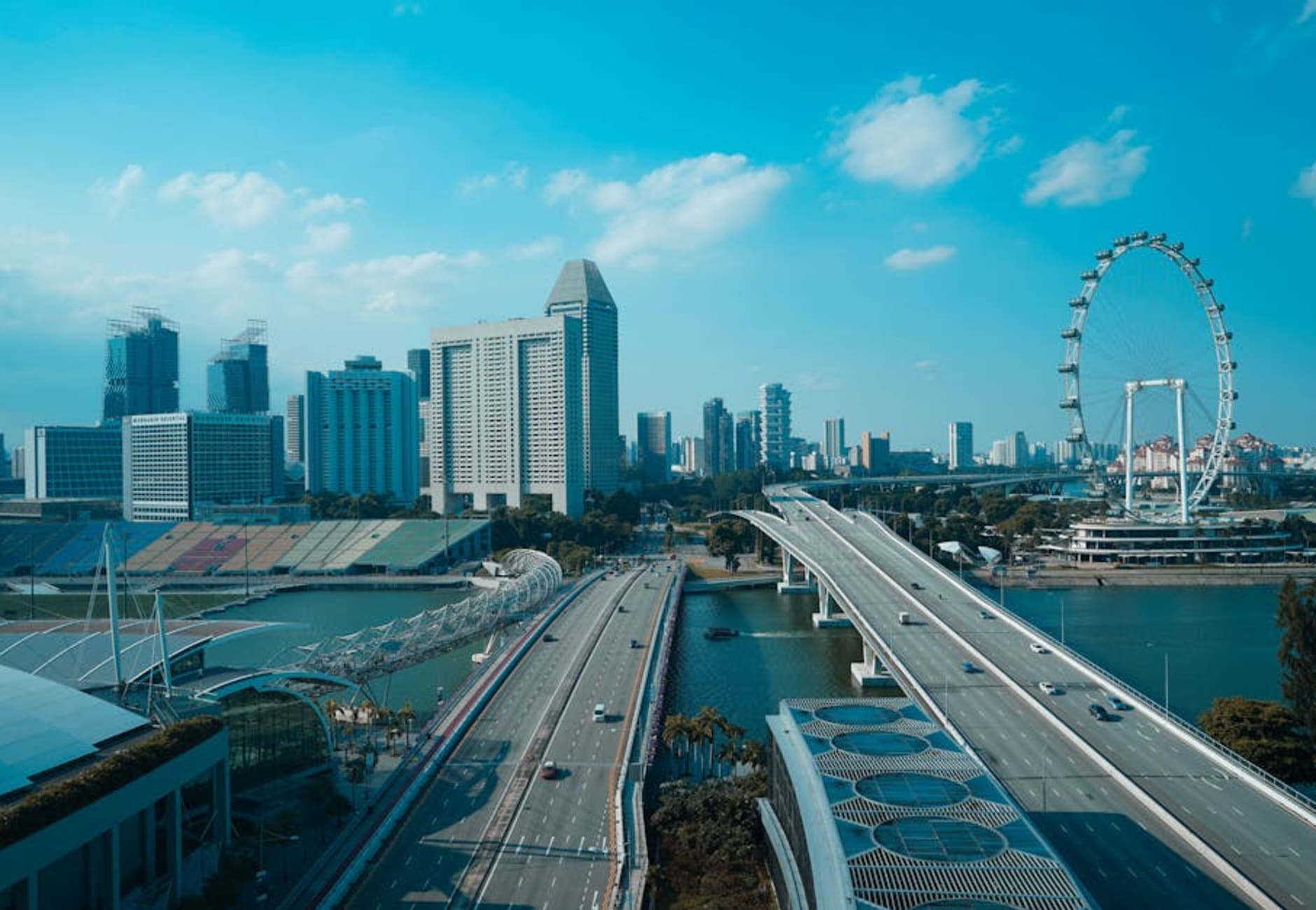
Singapore is a vibrant melting pot of cultures and languages, making it a unique destination for travelers. Understanding the linguistic landscape can enhance your experience, help you connect with locals, and navigate the city more effectively. This guide will cover the primary languages spoken, the prevalence of English, essential phrases in the local languages, and tips for overcoming language barriers.
Primary Languages Spoken in Singapore
Singapore is a multilingual society with four official languages:
- English: Widely used in government, business, education, and daily communication.
- Mandarin Chinese: Predominantly spoken among the Chinese population, which makes up about 76% of the total population.
- Malay: The national language, primarily used by the Malay community.
- Tamil: Spoken by the Indian community, particularly among Tamils.
Understanding English in Singapore
English is the lingua franca in Singapore, and it’s understood by about 80% of the population. It serves as the medium of instruction in schools and is the language of government and media. However, there are areas where English may be less common, particularly in some ethnic neighborhoods or among older generations who may speak their native dialects or languages more fluently.
Where English is Less Common
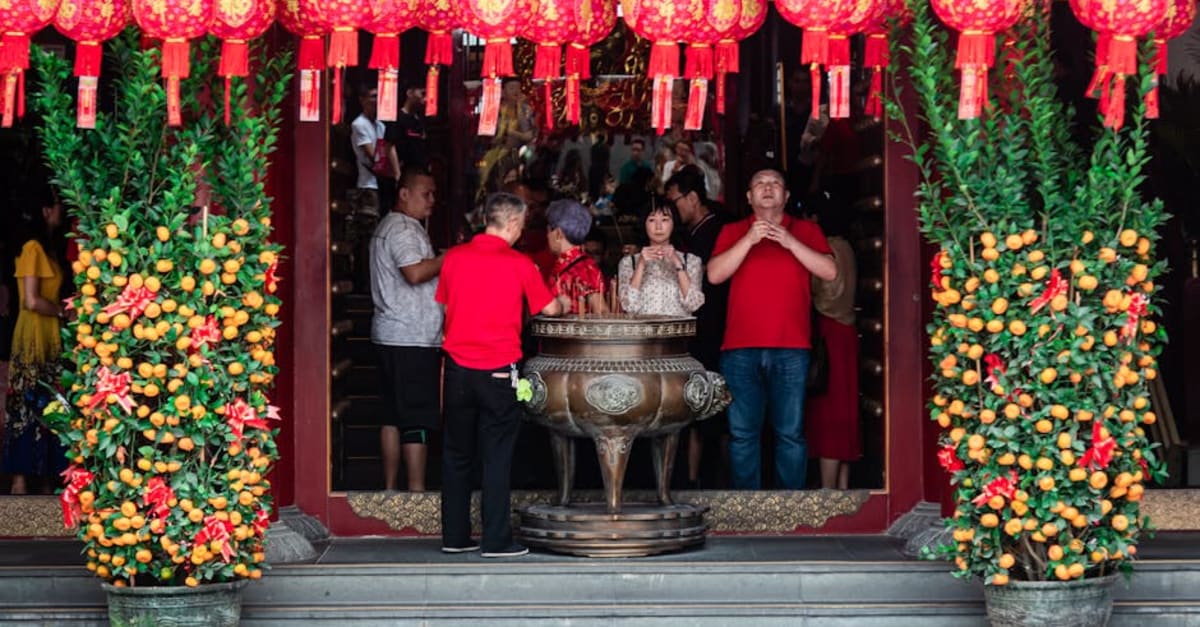
- Chinatown: While many shopkeepers and hawker stall owners speak basic English, some may prefer Mandarin or dialects like Hokkien or Cantonese.
- Little India: Many residents speak Tamil or other Indian languages, and while English is understood, it may not be the first choice of communication.
- Geylang and Kampong Glam: In these Malay areas, Malay is dominant, and while English is understood, it may not be the most comfortable form of communication for everyone.
Useful Phrases in Local Languages
Here are some essential phrases in Mandarin, Malay, and Tamil, along with English translations and pronunciation guides.
Mandarin Chinese (普通话)
- Hello: 你好 (Nǐ hǎo)
- Thank you: 谢谢 (Xièxiè)
- Excuse me: 对不起 (Duìbùqǐ)
- Yes: 是 (Shì) / No: 不是 (Bù shì)
- How much?: 多少钱? (Duōshǎo qián?)
- Help: 帮助 (Bāngzhù)
- Where is…?: …在哪里? (…zài nǎlǐ?)
- Bathroom: 洗手间 (Xǐshǒujiān)
- Restaurant: 餐厅 (Cāntīng)
- Emergency: 紧急情况 (Jǐnjí qíngkuàng)
Malay
- Hello: Hai
- Thank you: Terima kasih
- Excuse me: Maaf
- Yes: Ya / No: Tidak
- How much?: Berapa harganya?
- Help: Tolong
- Where is…?: Di mana…?
- Bathroom: Tandas
- Restaurant: Restoran
- Emergency: Kecemasan
Tamil
- Hello: வணக்கம் (Vaṇakkam)
- Thank you: நன்றி (Naṉṟi)
- Excuse me: மன்னிக்கவும் (Maṉṉikkavum)
- Yes:ஆம் (Ām) / No: இல்லை (Illai)
- How much?: எவ்வளவு? (Evvaḷavu?)
- Help: உதவி (Utavi)
- Where is…?: எங்கு…? (Eṅku…?)
- Bathroom: கழிப்பறை (Kaḻippaṟai)
- Restaurant: உணவகம் (Uṇavakam)
- Emergency: அவசரநிலை (Avasara nilai)
Tone and Politeness Considerations
-
Mandarin: The Chinese language is tonal, which means that the tone in which a word is spoken can change its meaning. It’s essential to be mindful of this when speaking. Politeness is valued, so using “请” (qǐng, please) and “谢谢” (xièxiè, thank you) is appreciated.
-
Malay: The Malay language is relatively straightforward, but using polite forms like “Tuan” (Sir) or “Puan” (Madam) can enhance communication and show respect.
-
Tamil: Tamil speakers appreciate politeness. Using phrases like “தயவுசெய்து” (thayavu seythu, please) can go a long way.
Tips for Communicating with Language Barriers
-
Speak Slowly and Clearly: When unsure of the local language, speak slowly and articulate your words clearly. Avoid using slang terms that may not be universally understood.
-
Use Non-Verbal Communication: Body language, gestures, and facial expressions can convey meaning when words fail. A friendly smile can break down barriers.
-
Learn a Few Basic Words: Even a simple “hello” or “thank you” in the local language can show respect and often leads to warmer interactions.
-
Use Translation Apps: Apps like Google Translate and Microsoft Translator can be invaluable for real-time translation. Download these before your trip to ensure you have access even without Wi-Fi.
-
Carry a Phrasebook: A small pocket phrasebook can be helpful for quick reference and can also serve as an icebreaker with locals.
-
Seek Help from Young Locals: Younger generations are often more proficient in English, so if you find yourself in need, don’t hesitate to approach them.
Language Apps and Translation Services
- Google Translate: Offers text, voice, and camera translation. It supports many languages, including Mandarin, Malay, and Tamil.
- Microsoft Translator: Provides similar features to Google Translate and includes a conversation mode for real-time speech translation.
- iTranslate: A mobile app that offers voice translation and offline capabilities for numerous languages.
- SayHi: Focuses on conversational translation and is user-friendly for travelers.
In conclusion, understanding the linguistic landscape of Singapore can significantly enhance your travel experience. With English being widely spoken, along with the rich tapestry of local languages, you’re sure to find ways to connect with the diverse communities throughout the city. Happy travels!