Staying Safe & Respecting Local Rules in Rome
Safety guide for rome: areas to avoid, local laws, emergency contacts, and cultural respect guidelines.
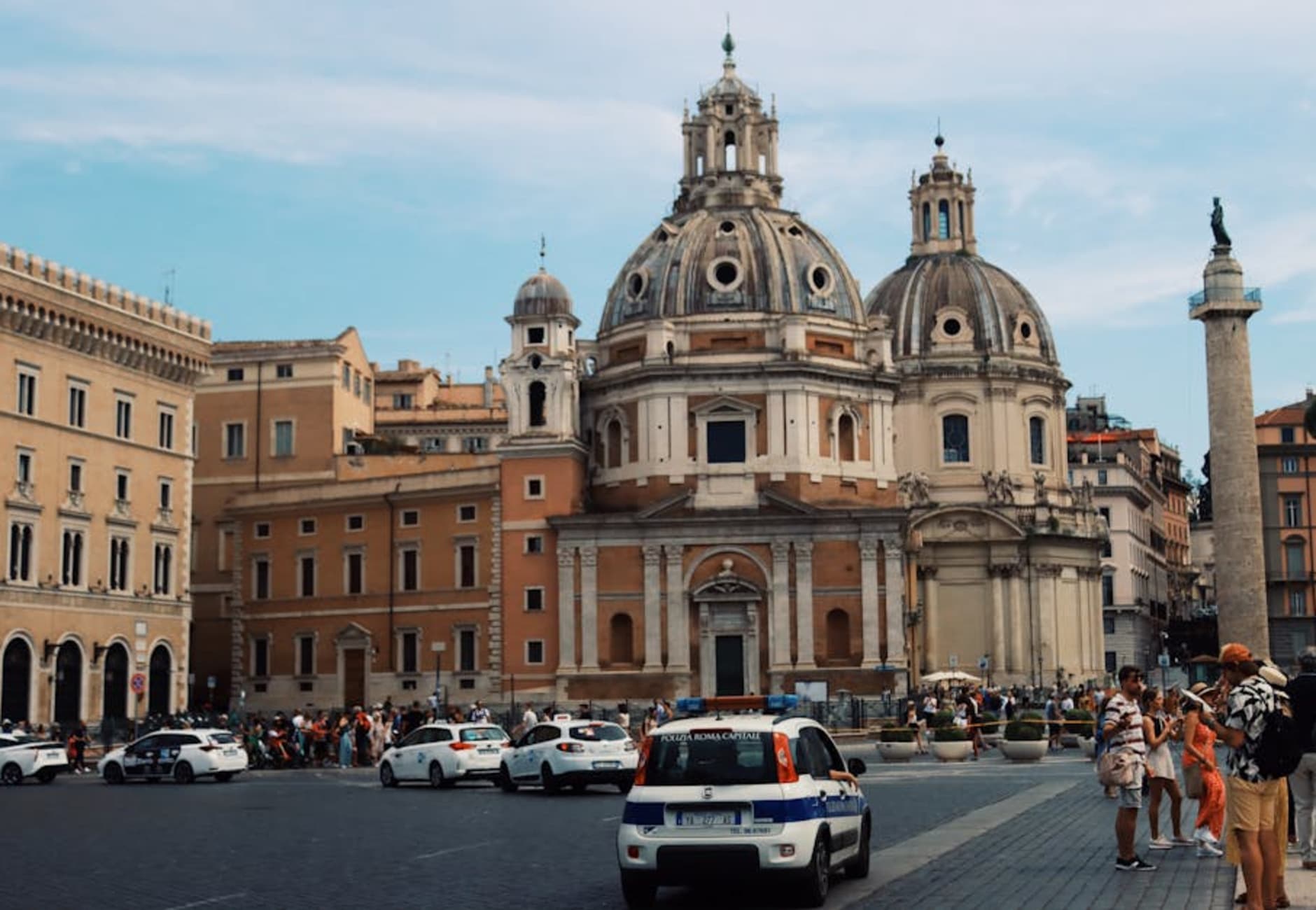
Safety and Local Etiquette Guide for Rome
Rome, the Eternal City, is a mesmerizing destination filled with historical landmarks, delicious cuisine, and vibrant culture. However, like any major city, it has areas where tourists should exercise caution, and being informed about local customs can enhance your experience. This guide will provide essential information on safety, local laws, cultural respect, and emergency procedures to help you navigate Rome confidently.
Safety in Rome
Neighborhoods to Avoid
While Rome is generally safe for tourists, certain neighborhoods are known for higher crime rates. It’s advisable to steer clear of:
- Termini Area: Known for its train station, it can attract pickpockets and petty criminals, especially at night.
- San Lorenzo: Though it has a vibrant nightlife, this area can be risky late at night.
- Pigneto: Similar to San Lorenzo, while trendy, it can be less safe after dark.
Safe Transportation Options
Rome offers several transportation options, and understanding them can help you stay safe:
- Public Transport: The ATAC system includes buses, trams, and metro lines. Metro lines A and B are generally safe, but be cautious during rush hours.
- Taxis: Official taxis are white and have a taxi sign on the roof. Fares start at €3.50, with additional charges for luggage and nighttime rides.
- Ride-Sharing Apps: Services like Uber operate in Rome, but they can be limited compared to other cities. Always choose licensed drivers.
- Walking: Many of Rome’s attractions are within walking distance. Stick to well-lit areas and avoid walking alone late at night.
Crime Statistics Context
Rome has low violent crime rates compared to other major cities, but petty crime, particularly pickpocketing, is prevalent. According to the Italian National Institute of Statistics, incidents of theft and pickpocketing have been on the rise, particularly in tourist-heavy areas. As a visitor, it’s wise to be vigilant.
Common Scams and How to Avoid Them
- Fake Petition Scams: Scammers, often women, approach tourists asking for signatures on fake petitions. Politely decline and walk away.
- The “Friendship” Bracelet Trick: Someone may approach you, tie a bracelet on your wrist, and then demand payment. Politely refuse and keep walking.
- Overpriced Taxi Rides: Always ensure the taxi has a meter and does not charge exorbitantly. A ride from the city center to Fiumicino Airport should cost around €48.
Legal Matters Affecting Tourists
Local Laws
- Alcohol Consumption: The legal age for drinking in Italy is 18. Public drinking is generally acceptable, but it’s prohibited in certain areas after 10 PM.
- Littering: Fines can range from €100 to €500 for littering. Always dispose of trash in designated bins.
- Smoking: Smoking is banned in public transport and enclosed public spaces. Be mindful of designated smoking areas.
Photography Restrictions
When visiting religious sites or museums, be aware of photography restrictions. For example:
- The Vatican: Photography is allowed in some areas, but flash photography is typically banned.
- Museums: Many museums prohibit photography altogether, so look for signs indicating restrictions.
Cultural Respect
Appropriate Behavior in Religious Sites
- Dress Code: When visiting churches (including St. Peter’s Basilica), ensure shoulders and knees are covered. A scarf can be handy for women who need to cover their heads.
- Silence and Respect: Maintain a respectful demeanor when inside religious sites. Speaking quietly and avoiding disruptive behavior is essential.
Cultural Sensitivities
- Dining Etiquette: Italians take dining seriously. Avoid rushing through meals, and always greet your server with “Buongiorno” or “Buonasera.” Tipping is appreciated but not mandatory; rounding up the bill or leaving small change suffices.
- Personal Space: Italians are generally warm and expressive, but maintain a respectful distance when conversing with strangers.
Emergency Procedures
Emergency Contact Information
In case of emergencies, remember these numbers:
- Police: 112
- Ambulance: 118
- Fire Department: 115
Embassy Details
Knowing where your embassy is located can be crucial in case of lost passports or emergencies:
- US Embassy:
- Address: Via Vittorio Veneto, 119/A, 00187 Roma RM, Italy
- Phone: +39 06 46741
- UK Embassy:
- Address: 2, Via Maggio, 00186 Roma RM, Italy
- Phone: +39 06 4220 0001
Medical Assistance
If you need medical assistance, find a pharmacy (Farmacia) nearby, identifiable by a green cross. Pharmacies in Italy are generally well-stocked and can provide over-the-counter medications. For urgent care, visit a hospital; two main facilities in Rome are:
- Ospedale San Giovanni: Known for its emergency services.
- Ospedale Santo Spirito: One of the oldest hospitals in Rome.
Conclusion
Rome is a city rich in history and culture, and with the right knowledge and precautions, you can enjoy your visit safely and respectfully. By being aware of local customs, transportation options, and emergency procedures, you can create lasting memories in this enchanting city without unnecessary worry. Embrace the Roman lifestyle, indulge in the cuisine, and soak up the history while remaining vigilant and respectful. Happy travels!