Rome Dress Code: What Tourists Should Wear
What to wear in rome: clothing recommendations for different seasons, religious sites, and social settings.
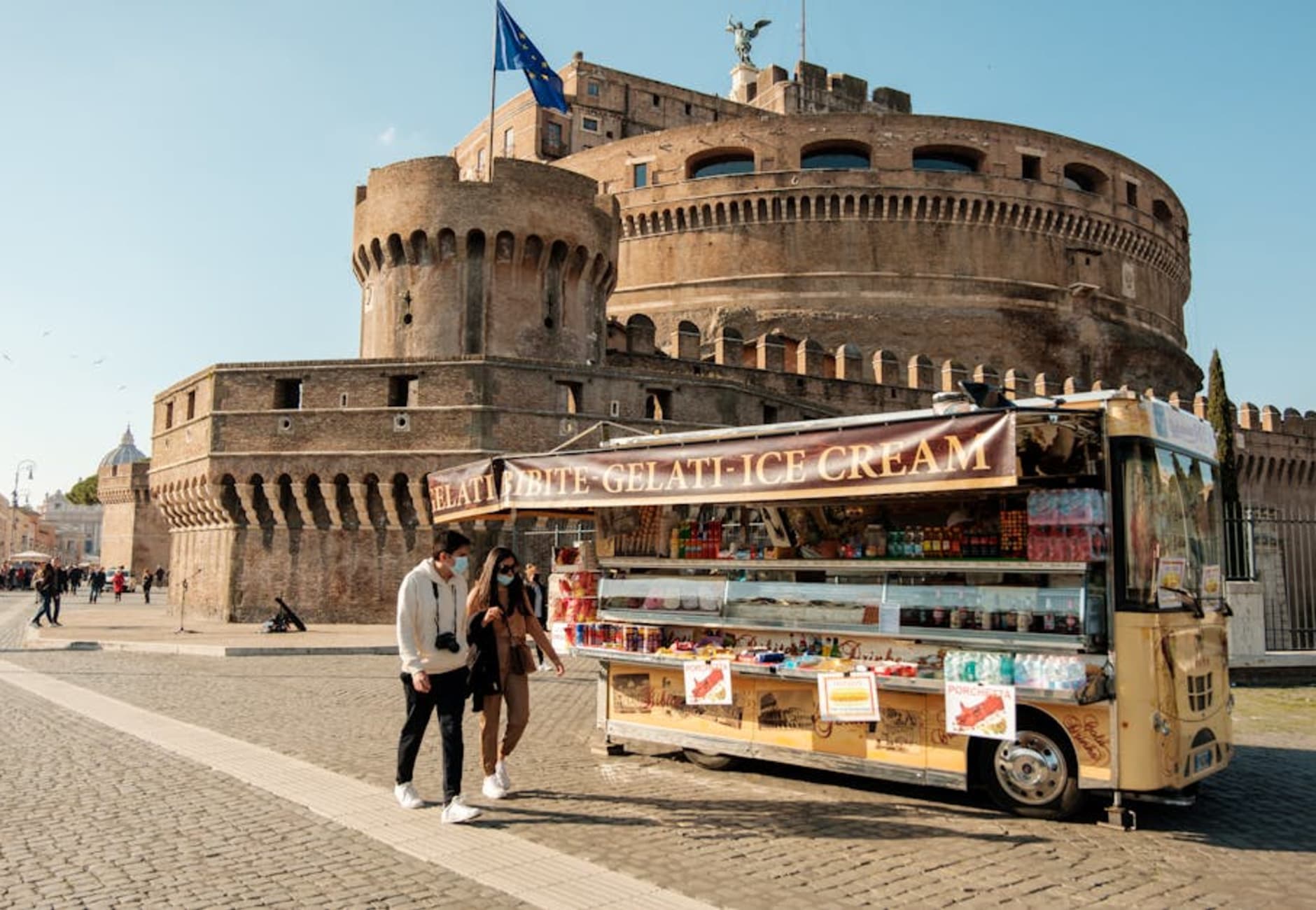
The Ultimate Dress Code and Clothing Guide for Rome
Rome, the Eternal City, is a dazzling blend of history, culture, and modernity. To fully enjoy your trip, it’s important to dress appropriately for the different occasions and seasons. This guide will provide you with comprehensive insights into what to wear throughout the year in Rome, including the dress codes for various venues.
Seasonal Weather Patterns in Rome
Rome experiences a Mediterranean climate with hot summers, mild winters, and occasional rain during the fall and spring. Here’s a detailed breakdown of seasonal weather patterns:
- Summer (June to August): Temperatures often soar above 30°C (86°F) with high humidity. July and August are the hottest months.
- Autumn (September to November): Temperatures range from 20°C to 10°C (68°F to 50°F), with increasing rain.
- Winter (December to February): Mild but wet, temperatures hover around 10°C (50°F) during the day and can drop to 0°C (32°F) at night.
- Spring (March to May): Similar to autumn, temperatures range from 10°C to 20°C (50°F to 68°F), with occasional showers.
Summer Attire
Suitable Clothing Items
- Lightweight Fabrics: Opt for breathable fabrics like cotton, linen, and rayon. Avoid heavy polyester or wool.
- Casual Outfits: Pack cotton t-shirts, tank tops, and light dresses. A pair of shorts or lightweight trousers is ideal for the heat.
- Footwear: Comfortable sandals or breathable sneakers are essential for walking the cobbled streets.
Beachwear
- If you plan to visit nearby beaches like Santa Marinella or Sperlonga, pack a swimsuit, beach cover-up, flip-flops, and a wide-brimmed hat for sun protection.
What to Avoid
- Steer clear of overly revealing clothing and heavy fabrics that can trap heat.
Winter Attire
Suitable Clothing Items
- Layering Essentials: Warm sweaters, long-sleeve shirts, and thermal layers are essential. A stylish but warm coat is a must, preferably waterproof.
- Footwear: Insulated boots or waterproof shoes are ideal for navigating wet streets.
Accessories
- Scarves and Gloves: Bring a warm scarf and gloves to keep cozy during chilly evenings.
What to Avoid
- Avoid heavy winter coats that are bulky and difficult to carry around. Instead, opt for a lightweight, packable down jacket.
Monsoon (Rainy Season) Attire
Suitable Clothing Items
- Waterproof Gear: A lightweight, packable rain jacket is crucial. Quick-drying fabrics are beneficial for both tops and bottoms.
- Footwear: Waterproof shoes or sandals are a good investment to keep your feet dry.
Accessories
- Umbrella: A compact travel umbrella can be very handy during unexpected rain showers.
What to Avoid
- Avoid cotton clothing that takes a long time to dry. Instead, opt for moisture-wicking fabrics.
Dress Code for Religious Sites
General Guidelines
When visiting churches like St. Peter’s Basilica or the Pantheon, modesty is key. Here’s what to wear:
- Women: Shoulders and knees must be covered. A light shawl or scarf can be excellent for covering bare arms or legs.
- Men: Long trousers and shirts with sleeves are required. Avoid shorts and sleeveless shirts.
What to Avoid
- Do not wear provocative or revealing clothing. Flip-flops and beachwear are not acceptable.
Dress Code for Upscale Restaurants
Suitable Clothing Items
- Smart Casual Attire: Men should wear smart trousers and a collared shirt, while women can opt for a tasteful dress or a blouse paired with tailored pants.
- Shoes: Closed-toe shoes are preferred.
Recommendations
- For evenings, consider bringing a light blazer or a stylish cardigan to elevate your look.
What to Avoid
- Avoid overly casual attire like shorts, flip-flops, or t-shirts with logos.
Dress Code for Casual Outings
Suitable Clothing Items
- Daytime Attire: Comfortable clothes such as jeans, casual dresses, or skirts are perfect for sightseeing.
- Footwear: Comfortable walking shoes or sandals are essential for exploring the city’s numerous attractions.
What to Avoid
- Avoid overly formal attire, as most casual outings are relaxed and comfortable.
Cultural Considerations and Modesty Expectations
Roman culture values modesty, especially in religious settings. While the city is generally liberal, it’s essential to respect local customs. Avoid clothing that could be deemed disrespectful, including overly revealing outfits or offensive prints.
Practical Packing Advice
- Light Layers: Regardless of the season, layering is essential. Bring a mix of short and long sleeves, and a light sweater for cooler evenings.
- Versatile Pieces: Choose items that can be mixed and matched to create different outfits. Neutral colors work well for this.
- Accessories: Don’t forget a hat and sunglasses for summer, and a good-quality umbrella for the rainy season.
Fabric Recommendations
- Summer: Cotton, linen, and rayon for breathability.
- Winter: Wool blends and thermal fabrics for warmth.
- Monsoon: Quick-drying synthetics and waterproof materials.
What to Leave Behind
- Heavy, bulky items that take up too much space in your luggage.
- Excessive jewelry or valuables that can attract unwanted attention.
Conclusion
Rome is a city that invites exploration, and dressing appropriately will enhance your experience. By following this guide, you’ll not only be comfortable but also respectful of the local culture. Enjoy your time in this magnificent city, knowing you are dressed for every occasion!