What to Eat in Paris: Must-Try Local Dishes
Paris food guide: must-try local dishes, signature cuisine, and authentic dining experiences.

Discovering Paris’s Culinary Heritage: Must-Try Local Dishes
Paris is not just the City of Lights; it is also a culinary haven that boasts a rich tapestry of flavors, techniques, and traditions. From street-side crepes to gourmet dining experiences, the city offers an impressive array of dishes that are steeped in history and cultural significance. In this guide, we’ll explore must-try Parisian dishes, their origins, and where to find them, ensuring you savor the true essence of Parisian cuisine.
1. Croissant
History and Cultural Significance
Originating in Austria and brought to France in the 19th century, the croissant quickly became a breakfast staple in Paris. Its crescent shape is reminiscent of the Ottoman flag, symbolizing the victory of the Austrians over the Ottomans.
Main Ingredients
- Flour
- Butter
- Yeast
- Milk
- Sugar
- Salt
Typical Preparation
Croissants are made through a process called lamination, where layers of butter are folded into the dough multiple times to create a flaky texture.
Best Places to Try It
- Du Pain et des Idées: Known for its artisanal approach, a croissant here costs around €1.20.
- La Maison Pichard: A 2018 winner of the Best Croissant in Paris, expect to pay about €1.10.
Dining Experience Tips
Pair your croissant with a café au lait at a nearby café for a quintessential Parisian breakfast.
2. Escargots de Bourgogne
History and Cultural Significance
These snails, typically prepared with garlic and parsley butter, have roots tracing back to Roman times. They are often served as a delicacy during festive occasions.
Main Ingredients
- Snails (escargots)
- Garlic
- Parsley
- Butter
Typical Preparation
The snails are cleaned and baked in their shells with a blend of garlic, parsley, and butter.
Best Places to Try It
- L’Escargot Montorgueil: A historic restaurant serving escargots since 1832. Expect to pay around €18 for a dozen.
- Le Comptoir de la Gastronomie: Offers a more casual vibe, with similar pricing.
Dining Experience Tips
Use a snail fork to extract the meat from the shell, savoring the rich garlic-butter flavor.
3. Coq au Vin
History and Cultural Significance
This traditional French dish features chicken braised with wine, lardons, mushrooms, and onions. Its roots are in rural France, where it was often prepared for celebrations.
Main Ingredients
- Chicken
- Red wine (typically Burgundy)
- Lardons (bacon)
- Mushrooms
- Onions
- Garlic
Typical Preparation
The chicken is marinated overnight in wine, then slow-cooked with the other ingredients to enrich the flavors.
Best Places to Try It
- Chez Janou: A charming Provencal bistro, priced around €22.
- Le Bistrot Paul Bert: Offers a classic version for about €25.
Dining Experience Tips
Order a glass of the same red wine used in the dish to enhance your dining experience.
4. Ratatouille
History and Cultural Significance
Hailing from the Provence region, ratatouille is a vegetable stew that became popular in Paris during the 20th century, symbolizing the French commitment to fresh, seasonal produce.
Main Ingredients
- Zucchini
- Eggplant
- Bell peppers
- Tomatoes
- Onions
- Herbs de Provence
Typical Preparation
Chopped vegetables are sautéed separately to maintain their flavors and then combined to simmer together.
Best Places to Try It
- Chez Janou: An excellent spot to try homemade ratatouille for about €18.
- Le Relais de l’Entrecôte: Known for their classic French fare, price is around €16.
Dining Experience Tips
Ratatouille is best enjoyed with a crusty baguette to soak up the juices.
5. Bouillabaisse
History and Cultural Significance
This fish stew originated from the port town of Marseille but has become a staple in Parisian seafood restaurants. It traditionally reflects the fishermen’s catch of the day.
Main Ingredients
- Various fish (like snapper and mullet)
- Shellfish
- Saffron
- Fennel
- Garlic
- Tomatoes
Typical Preparation
The fish and shellfish are simmered with aromatic herbs and spices, served with a side of rouille (garlic mayonnaise).
Best Places to Try It
- Le Grand Véfour: A Michelin-starred restaurant offering bouillabaisse for about €45.
- Chez Janou: A more casual version is available for €30.
Dining Experience Tips
Ask for extra rouille to enhance the flavor, and enjoy with a glass of chilled white wine.
6. Crêpes
History and Cultural Significance
Crêpes have been a beloved street food in France for centuries. They can be sweet or savory, reflecting the versatility of this dish.
Main Ingredients
- Flour
- Eggs
- Milk
- Butter
- Sugar (for sweet crêpes)
Typical Preparation
The batter is spread thinly on a hot griddle, cooked quickly, and then filled with various ingredients.
Best Places to Try It
- Crêperie Josselin: Famous for its savory galettes, priced around €10.
- La Crêperie de Paris: A sweet crêpe here costs about €5.
Dining Experience Tips
Try a classic galette with ham, cheese, and egg for a savory delight, and don’t miss Nutella for dessert!
7. Tarte Tatin
History and Cultural Significance
This upside-down caramelized apple tart was created by the Tatin sisters in the late 19th century and has become a classic French dessert.
Main Ingredients
- Apples
- Sugar
- Butter
- Puff pastry
Typical Preparation
Apples are caramelized in butter and sugar, then topped with pastry and baked upside-down.
Best Places to Try It
- Café de Flore: A Parisian institution, expect to pay around €8.
- Le Meurice: A fine dining experience, priced around €15.
Dining Experience Tips
Pair with a scoop of vanilla ice cream for a delightful contrast in temperature.
8. Soupe à l’Oignon
History and Cultural Significance
Onion soup has been a staple of French cuisine since the Roman times, offering warmth and comfort, especially during colder months.
Main Ingredients
- Onions
- Beef broth
- Bread
- Gruyère cheese
Typical Preparation
Onions are caramelized and then simmered with broth, served with toasted bread and melted cheese on top.
Best Places to Try It
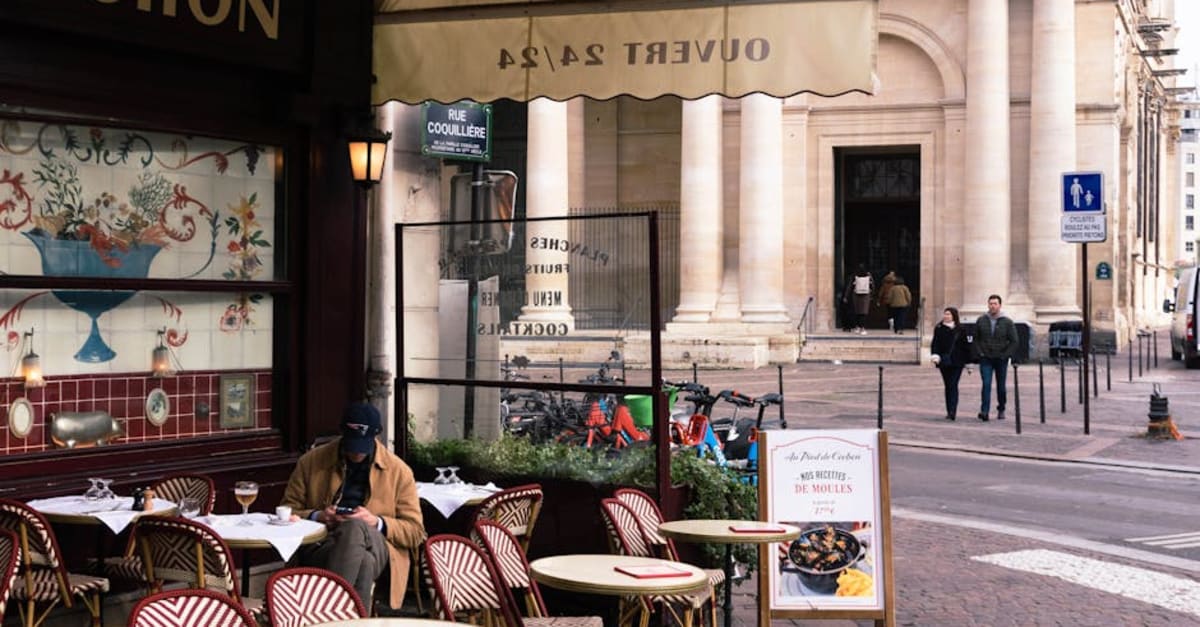
- Au Pied de Cochon: Known for its rich flavors, priced around €12.
- **Le Comptoir de la Gastronomie