Car Rental Rules & Tips in Paris
Car rental in paris: driving rules, rental process, insurance, costs, and driving tips.
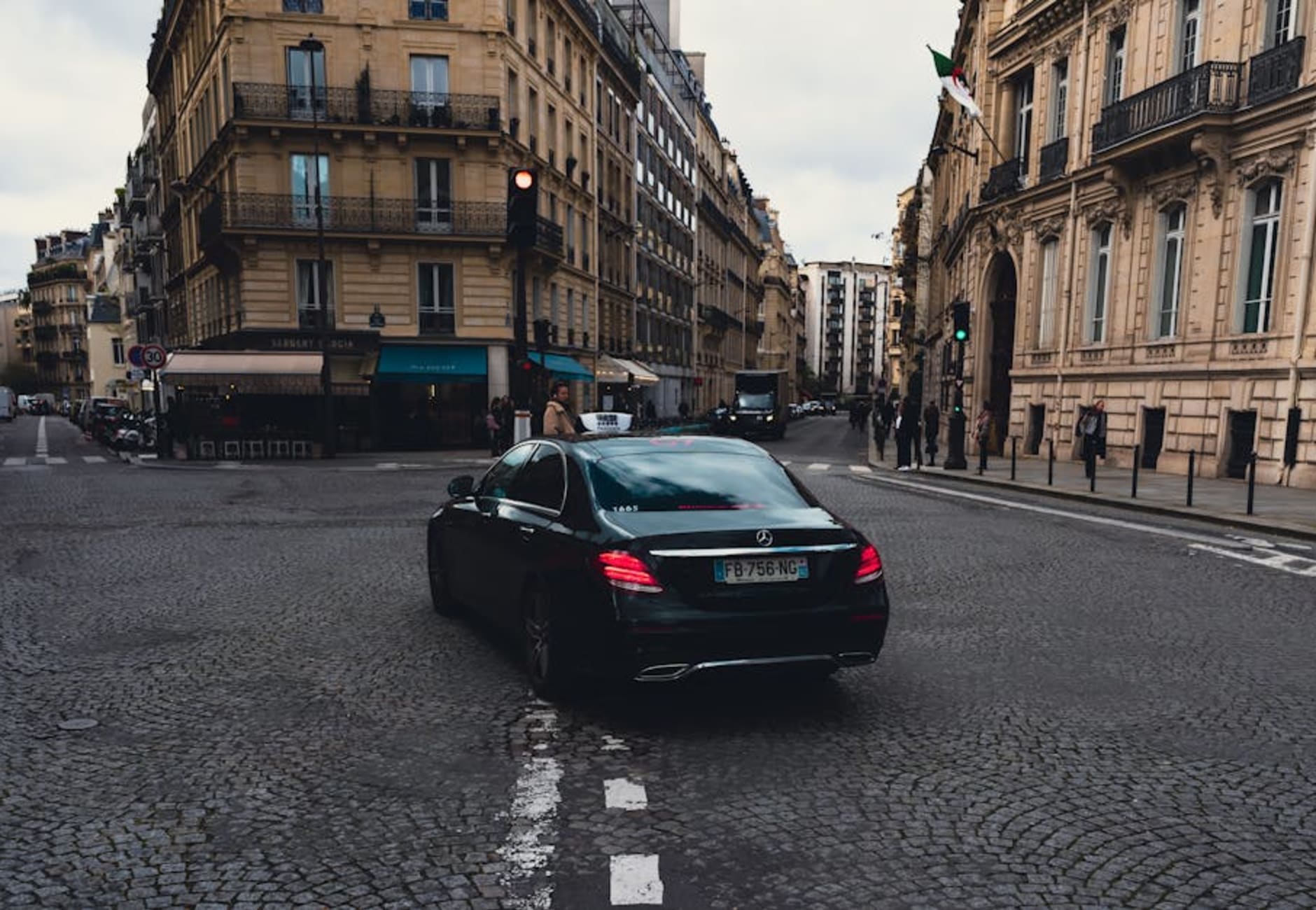
Ultimate Guide to Renting and Driving a Car in Paris
Exploring Paris by car can be an exhilarating experience, offering the freedom to roam beyond the city’s iconic landmarks. However, driving in Paris comes with its own set of rules and regulations. This guide will walk you through everything you need to know about renting and driving a car in the City of Lights.
Requirements for Renting a Car
License Types and Age Restrictions
To rent a car in Paris, you must meet the following requirements:
-
Driver’s License: You need a valid driver’s license from your home country. If your license is not in French or English, it is advisable to obtain an International Driving Permit (IDP). An IDP translates your license details and is often required by rental companies.
-
Age Restrictions: Most car rental companies in France require drivers to be at least 21 years old. Drivers under 25 may incur a “young driver surcharge,” which can range from €10 to €30 per day.
Documentation Needed
When renting a car, you’ll need:
- A valid driver’s license (and IDP if required)
- A passport or national ID
- A credit card in your name (most companies do not accept debit cards)
Rental Companies and Costs
Some of the popular car rental companies in Paris include:
- Europcar
- Hertz
- Sixt
- Avis
Rental costs vary based on the season, car type, and rental duration. On average, you can expect to pay between €30 to €100 per day, with smaller cars typically costing less. Be sure to book in advance to secure better rates.
Insurance Options
When renting a car, insurance is a crucial aspect:
- Collision Damage Waiver (CDW): This covers damage to the rental vehicle but often includes a deductible.
- Liability Insurance: Covers damages to other vehicles or property.
- Personal Accident Insurance: Provides medical coverage in case of an accident.
Make sure to check your credit card benefits, as many offer rental car insurance.
Fuel Costs
Fuel prices in France hover around €1.50 per liter. Most rental cars run on petrol (essence), but some may be diesel (gazole). Be aware of the fuel policy of the rental company, which typically requires you to return the car with a full tank.
Parking in Paris
Finding parking in Paris can be a challenge. Here are some tips:
- Street Parking: Metered parking is available but can be costly, averaging around €2.40 per hour. Pay attention to the color-coded zones: blue zones are free after 8 PM, while yellow zones are reserved for residents.
- Parking Garages: Secure parking garages can be found throughout the city, costing around €30-€50 per day. Look for places like Parking Indigo or Q-Park.
Best Parking Areas
- Near tourist hotspots like Champs-Élysées or Eiffel Tower, consider using the Parkings du Centre or Eiffel Tower Car Park.
Driving Rules and Speed Limits
Driving in Paris requires familiarity with road rules:
- Speed Limits: Generally, it’s 50 km/h (31 mph) in urban areas, 90 km/h (56 mph) on secondary roads, and 130 km/h (81 mph) on highways (110 km/h in rain).
- Traffic Signs: Look for circular signs indicating speed limits and rectangular signs for directions. Familiarize yourself with the meaning of common signs like Stop (Arrêt) and Yield (Cédez le passage).
Traffic Regulations
- Always yield to pedestrians at crosswalks.
- Use your headlights in tunnels.
- Roundabouts are navigated by vehicles already in the circle.
Toll Systems
If you’re planning on driving outside Paris, be aware of tolls on highways. Tolls can cost between €1 and €30, depending on the distance traveled. Always keep cash and a credit card handy, as some toll booths may not accept cash.
Road Conditions
- Weather: Paris can experience rain, especially in fall and winter. Roads may become slippery, so drive with caution.
- Night Driving: Paris is generally safe to drive at night, but be alert for cyclists and pedestrians.
Areas Where Cars Cannot Go
Certain areas, like Montmartre and parts of the historic center, have restricted access. Look for signs indicating these zones. Parking is also limited in these areas.
Payment Methods and Damage Procedures
Most car rental companies accept credit cards. Ensure your card has a sufficient limit for the deposit, which can be a hold of up to €1,200.
In case of damage:
- Document the Damage: Take photos of the vehicle.
- Notify the Rental Company: Report any damage as soon as possible.
- Police Report: If involved in an accident, contact the local police for a report.
What to Do If Pulled Over
If you are stopped by the police:
- Remain calm and polite.
- Present your driver’s license, registration, and insurance documents.
- If fined, you may be asked to pay on the spot, especially for minor infractions.
Tips for Driving Safely and Navigating Paris
- Avoid Rush Hours: Traffic congestion is common during weekdays from 8-10 AM and 5-7 PM.
- Use Navigation Apps: Applications like Google Maps or Waze can help you navigate and avoid traffic.
- Watch for Cyclists: Paris is bicycle-friendly, so be cautious of bike lanes and cyclists.
When to Rent a Car vs. Public Transportation
Consider renting a car if you plan to explore outside Paris, such as the Palace of Versailles or the Loire Valley. However, for city exploration, public transportation (Metro, buses) is often more convenient and cost-effective due to traffic, parking, and the extensive public transport network.
Conclusion
Driving in Paris can be a fantastic way to discover the city and its surroundings. With the right preparation and knowledge of local laws, you can navigate the roads safely and efficiently. Whether you choose to rent a car or rely on public transport, experiencing Paris is sure to be unforgettable. Enjoy your journey!


