What to Eat in Istanbul: Must-Try Local Dishes
Istanbul food guide: must-try local dishes, signature cuisine, and authentic dining experiences.

Exploring Istanbul’s Culinary Heritage: Must-Try Local Dishes
Istanbul, the vibrant city straddling Europe and Asia, is not just a crossroads of cultures; it is also a melting pot of flavors and culinary traditions. The city’s rich history has influenced its cuisine, resulting in a delightful blend of flavors that tell the story of its diverse heritage. Here’s a guide to some of Istanbul’s signature dishes, complete with historical context, preparation methods, and recommendations for the best places to enjoy these culinary treasures.
1. Kebap (Kebab)
History and Cultural Significance
Kebabs have been a staple in Turkish cuisine for centuries, with roots tracing back to the Ottoman Empire. The word “kebap” comes from the Persian “kabab,” which means grilled meat. This dish symbolizes hospitality and is often served at celebrations and gatherings.
Main Ingredients
- Lamb or beef
- Spices (cumin, paprika)
- Vegetables (onions, peppers)
Typical Preparation
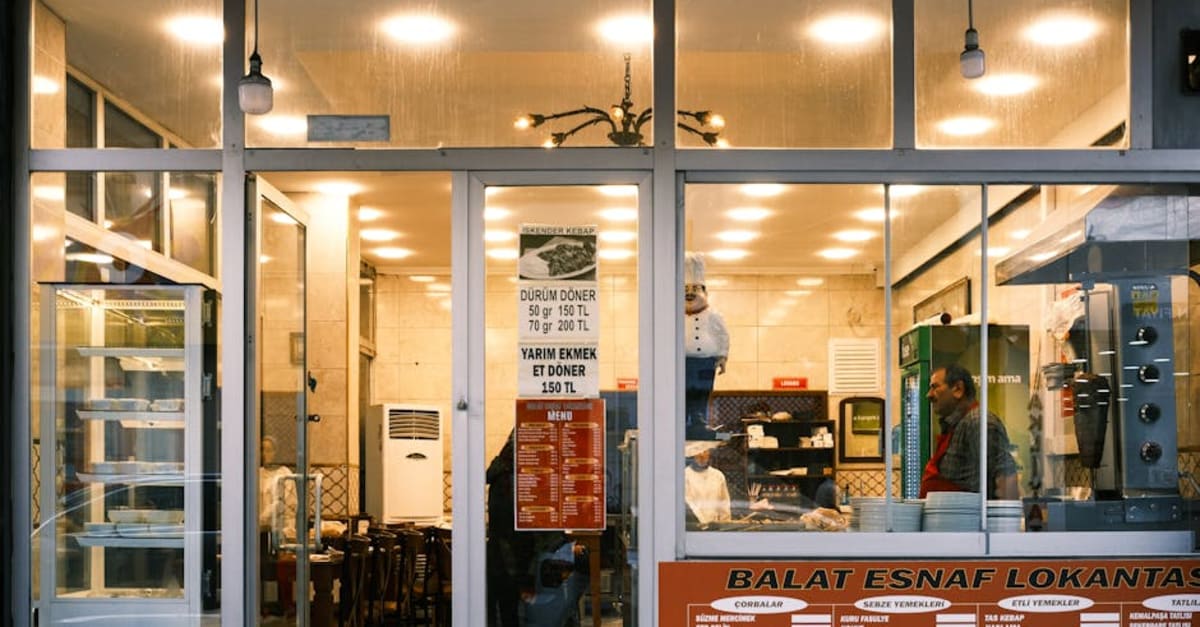
Meat is marinated with spices and grilled over an open flame. Variants include shish kebab (meat on skewers) and döner kebab (meat cooked on a vertical rotisserie).
Best Places to Try It
- Zübeyir Ocakbaşı (Beyoglu) – Known for its authentic shish kebabs. Estimated cost: $15-20 per person.
- Çiya Sofrası (Kadıköy) – Offers regional specialties including unique kebabs. Estimated cost: $10-15 per person.
Dining Experience Tips
Order a variety of kebabs for a full experience and pair them with a traditional side of rice or bulgur. Enjoy with freshly baked lavash bread.
2. Meze
History and Cultural Significance
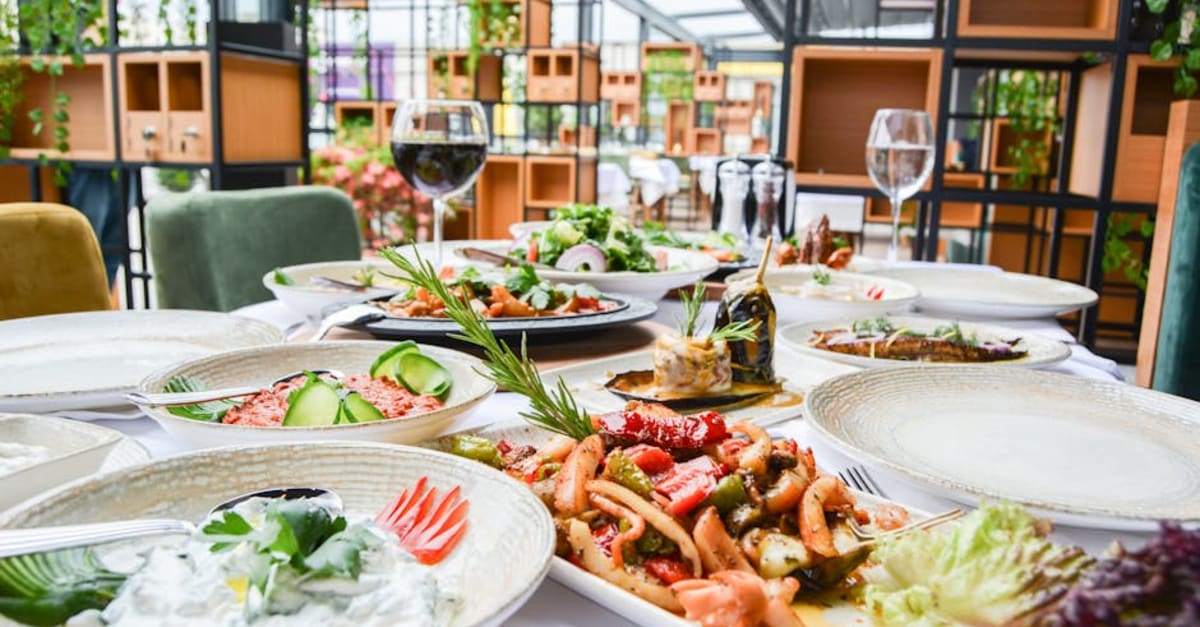
Meze, a selection of small dishes, is a cornerstone of Turkish dining culture. Historically, meze was served as an appetizer with drinks, particularly raki, the national anise-flavored spirit.
Main Ingredients
- Eggplant
- Yogurt
- Fresh herbs
- Olive oil
Typical Preparation
Dishes can be grilled, pickled, or simply prepared with fresh ingredients. Common mezes include haydari (yogurt with herbs) and patlıcan salatası (eggplant salad).
Best Places to Try It
- Müze (Beyoglu) – Offers a diverse range of meze options. Estimated cost: $20-30 for a platter.
- Karaköy Lokantası (Karaköy) – Famous for its traditional meze offerings. Estimated cost: $15-25 per person.
Dining Experience Tips
Select a mix of vegetarian and seafood mezes. Share and savor them with a glass of raki for a complete experience.
3. Balık Ekmek (Fish Sandwich)
History and Cultural Significance
Balık ekmek is a beloved street food that originated from the fishermen of the Golden Horn. It embodies Istanbul’s maritime culture and is especially popular among locals.
Main Ingredients
- Fresh fish (usually mackerel)
- Bread (usually a half-baguette or pide)
- Salad (lettuce, onions, pickles)
Typical Preparation
Fish is grilled or fried and served in bread with salad and lemon.
Best Places to Try It
- Eminönü Balık Ekmek – Near the Galata Bridge, where vendors serve freshly made fish sandwiches. Estimated cost: $5-7.
- Karaköy Balıkçısı (Karaköy) – A sit-down option with a focus on fresh ingredients. Estimated cost: $10-15 per person.
Dining Experience Tips
Enjoy your sandwich by the water, and don’t forget to squeeze fresh lemon on it!
4. Lahmacun
History and Cultural Significance
Often referred to as “Turkish pizza,” lahmacun has its roots in the Levantine cuisine. It represents the blending of cultures in Istanbul, especially among Middle Eastern and Mediterranean influences.
Main Ingredients
- Thin flatbread
- Ground meat (lamb or beef)
- Tomatoes, onions, spices
Typical Preparation
The dough is rolled thin, topped with spiced meat mixture, and baked in a wood-fired oven.
Best Places to Try It
- Karaköy Güllüoğlu – Famous for its lahmacun and other Turkish pastries. Estimated cost: $3-5 per piece.
- Dürümzade (Şişli) – Known for its crispy lahmacun, often recommended by locals. Estimated cost: $5-7.
Dining Experience Tips
Roll it up with fresh arugula and a squeeze of lemon for the best flavor.
5. Simit
History and Cultural Significance
Simit, a sesame-covered bread ring, is a popular snack in Istanbul, often enjoyed with tea. Its origins can be traced back to the Ottoman Empire, where it was sold by street vendors.
Main Ingredients
- Wheat flour
- Sesame seeds
- Water, yeast, and sugar
Typical Preparation
Simit dough is boiled briefly in water mixed with molasses before being coated in sesame seeds and baked until golden brown.
Best Places to Try It
- Simit Sarayı – A popular chain offering fresh simit throughout the city. Estimated cost: $1-2.
- Street vendors across Istanbul – Every corner has a vendor selling freshly baked simit.
Dining Experience Tips
Pair simit with cheese or olives for a quick breakfast or snack while exploring the city.
6. Kumpir (Stuffed Baked Potato)
History and Cultural Significance
Kumpir is a relatively modern dish, popularized in the 1980s. It reflects Istanbul’s street food culture, combining traditional cooking with contemporary tastes.
Main Ingredients
- Large potatoes
- Butter and cheese
- Various toppings (sauces, vegetables, meats)
Typical Preparation
Potatoes are baked until soft, then mixed with butter and cheese before being stuffed with a variety of toppings.
Best Places to Try It
- Ortaköy Kumpir – Famous for its large, flavorful kumpir options. Estimated cost: $5-10.
- Kumpirci stalls in Ortaköy – Various vendors offer unique toppings. Estimated cost: $4-8.
Dining Experience Tips
Don’t hesitate to ask for multiple toppings! The more, the merrier.
7. Börek
History and Cultural Significance
Börek is a traditional pastry that has its origins in the Ottoman Empire. It symbolizes the culinary exchange between the Turks and the Mediterranean cultures.
Main Ingredients
- Yufka (thin pastry)
- Spinach, cheese, or minced meat
- Egg and butter
Typical Preparation
Layers of yufka are filled with chosen ingredients, rolled, and baked or fried until crispy.
Best Places to Try It
- Çınaraltı (Çengelkö