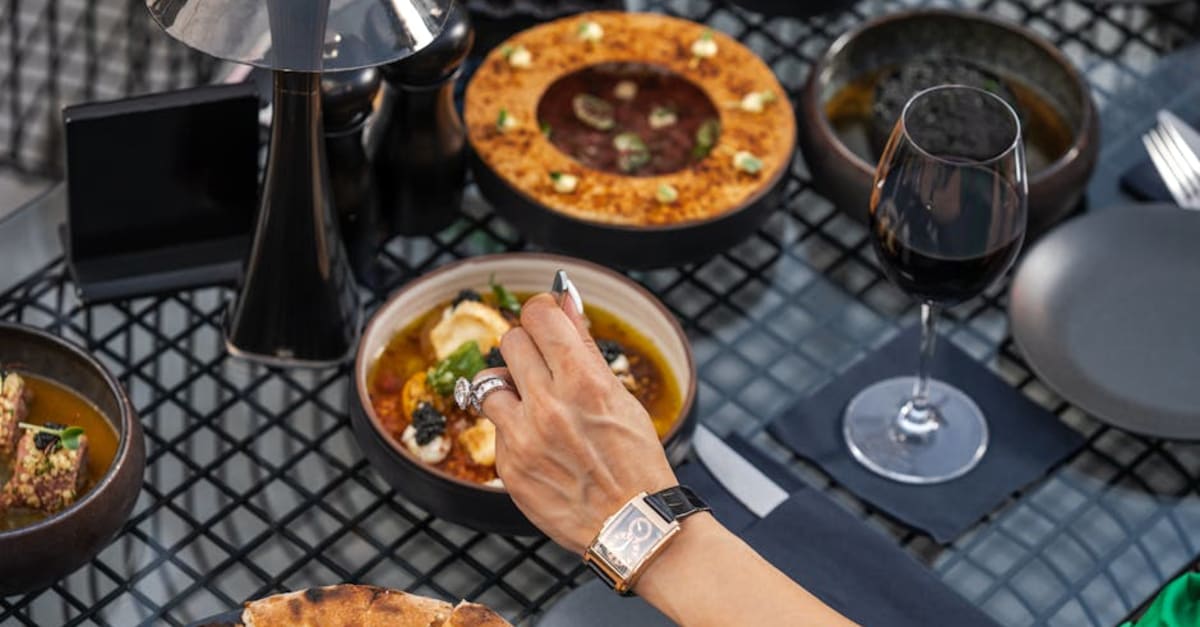
What to Eat in Dubai: Must-Try Local Dishes
Dubai food guide: must-try local dishes, signature cuisine, and authentic dining experiences.

Discovering Dubai’s Culinary Heritage: Must-Try Local Dishes
Dubai, a city that gracefully blends tradition and modernity, is a melting pot of flavors where East meets West. Its culinary heritage reflects the diverse cultures that have settled in this vibrant metropolis. From street food stalls to high-end dining experiences, Dubai’s food scene is rich and varied. If you’re looking to dive into the local cuisine, here are some must-try dishes that showcase the city’s unique flavors.
1. Shawarma
History and Cultural Significance
Shawarma is a staple street food in Dubai and has roots in the Levantine region. This dish reflects the city’s multiculturalism, as it is widely enjoyed by locals and tourists alike.
Main Ingredients
- Marinated meat (usually chicken, lamb, or beef)
- Garlic sauce
- Pickles
- Pita bread
Typical Preparation
The meat is marinated in a blend of spices and cooked on a vertical rotisserie. It is then sliced thinly and served in pita bread with garlic sauce and pickles.
Best Places to Try It
- Al Mallah: Known for its authentic shawarma, located on Dubai’s Sheikh Zayed Road.
- Shawarma Time: A popular spot with locals, offering a variety of shawarma options.
Estimated Cost
Around AED 10-20 per serving.
Dining Experience Tips
Order it to go for an authentic street food experience, or enjoy it at a small eatery where you can soak in the local atmosphere.
2. Al Harees
History and Cultural Significance
Al Harees is a traditional Emirati dish often served during Ramadan and special occasions. It symbolizes hospitality and is a staple at weddings.
Main Ingredients
- Wheat
- Salt
- Meat (usually chicken or lamb)
- Ghee (clarified butter)
Typical Preparation
Wheat is cooked with meat and water until it forms a porridge-like consistency. It is then seasoned with salt and ghee.
Best Places to Try It
- Al Fanar Restaurant & Cafe: A place that specializes in traditional Emirati dishes, including Al Harees.
- Zahrat Lebnan: Offers a homey atmosphere and traditional flavors.
Estimated Cost
AED 30-50 per serving.
Dining Experience Tips
Try it with a side of dates and Arabic coffee for a complete Emirati experience.
3. Machboos
History and Cultural Significance
Machboos is a spiced rice dish influenced by Indian and Persian cuisines, often served during family gatherings and celebrations.
Main Ingredients
- Long-grain rice
- Meat (chicken, lamb, or fish)
- Tomatoes
- Spices (cardamom, cinnamon, turmeric)
Typical Preparation
The meat is cooked with spices and tomatoes, and then the rice is added and simmered until fluffy.
Best Places to Try It
- Al Iwan: Located in the Burj Al Arab, it offers a luxurious twist on traditional Machboos.
- Bait Al Mandi: Known for its authentic flavors and cozy ambiance.
Estimated Cost
AED 50-80 per serving.
Dining Experience Tips
Pair it with a refreshing side salad to balance the flavors.
4. Luqaimat
History and Cultural Significance
These sweet dumplings symbolize Emirati hospitality and are often served during festivals and family gatherings.
Main Ingredients
- Flour
- Yeast
- Sugar
- Cardamom
- Date syrup
Typical Preparation
The dough is deep-fried until golden and then drizzled with date syrup or honey.
Best Places to Try It
- Al Samadi Sweets: Famous for its authentic Luqaimat.
- Arabian Tea House: Offers a charming setting to enjoy this sweet treat.
Estimated Cost
AED 15-25 for a portion.
Dining Experience Tips
Don’t forget to ask for a sprinkle of sesame on top for added flavor!
5. Fattoush
History and Cultural Significance
Fattoush is a traditional Lebanese salad that has become popular in Dubai, showcasing the influence of Levantine cuisine.
Main Ingredients
- Mixed greens
- Tomatoes
- Cucumbers
- Fried pita bread
- Sumac
Typical Preparation
Fresh vegetables are combined with fried pita chips and tossed with a tangy sumac dressing.
Best Places to Try It
- Zaatar w Zeit: A casual eatery known for its fresh salads.
- Al Nafoorah: Offers an upscale dining experience with authentic flavors.
Estimated Cost
AED 20-30 per serving.
Dining Experience Tips
Pair it with grilled meats for a refreshing contrast.
6. Kebabs
History and Cultural Significance
Kebabs are a popular dish in many Middle Eastern countries, and in Dubai, they reflect both traditional and modern dining.
Main Ingredients
- Minced meat (lamb, chicken, or beef)
- Spices
- Vegetables
Typical Preparation
The meat is seasoned and grilled on skewers, often served with rice or bread.
Best Places to Try It
- Kebab Bistro: Known for its exceptional flavors and variety.
- Al Safadi: Offers a wide range of kebabs in a casual setting.
Estimated Cost
AED 25-50 per serving.
Dining Experience Tips
Opt for a mixed grill platter to sample different types of kebabs.
7. Karak Tea
History and Cultural Significance
Karak tea is a spiced tea that reflects Dubai’s Indian influence. It is a beloved beverage among locals and often enjoyed with meals.
Main Ingredients
- Black tea
- Spices (cardamom, cloves)
- Sugar
- Condensed milk
Typical Preparation
Tea is brewed with spices, sugar, and water, then mixed with condensed milk.
Best Places to Try It
- Karak House: A trendy spot famous for its authentic Karak.
- Al Dhafra: A popular roadside stall known for its rich flavors.
Estimated Cost
AED 5-10 per cup.
Dining Experience Tips
Pair it with samosas or pastries for an authentic experience.
8. Saloona
History and Cultural Significance
Saloona is a traditional Emirati stew that reflects the rich flavors of the region and is often made during family gatherings.
Main Ingredients
- Meat (chicken or lamb)
- Vegetables (carrots, potatoes, and bell peppers)
- Spices (cumin, coriander)
Typical Preparation
The meat is simmered with vegetables and spices until tender.
Best Places to Try It
- Al Khaima Restaurant: Known for authentic Emirati cuisine.
- Al Tawasol: A favorite among locals for its home-cooked feel.
Estimated Cost
AED 40-60 per serving.
Dining Experience Tips
Enjoy it with a side of Arabic bread to soak up the flavors.
Dining Etiquette and How to Order in Dubai
When dining in Dubai, it